Last updated November 21, 2026
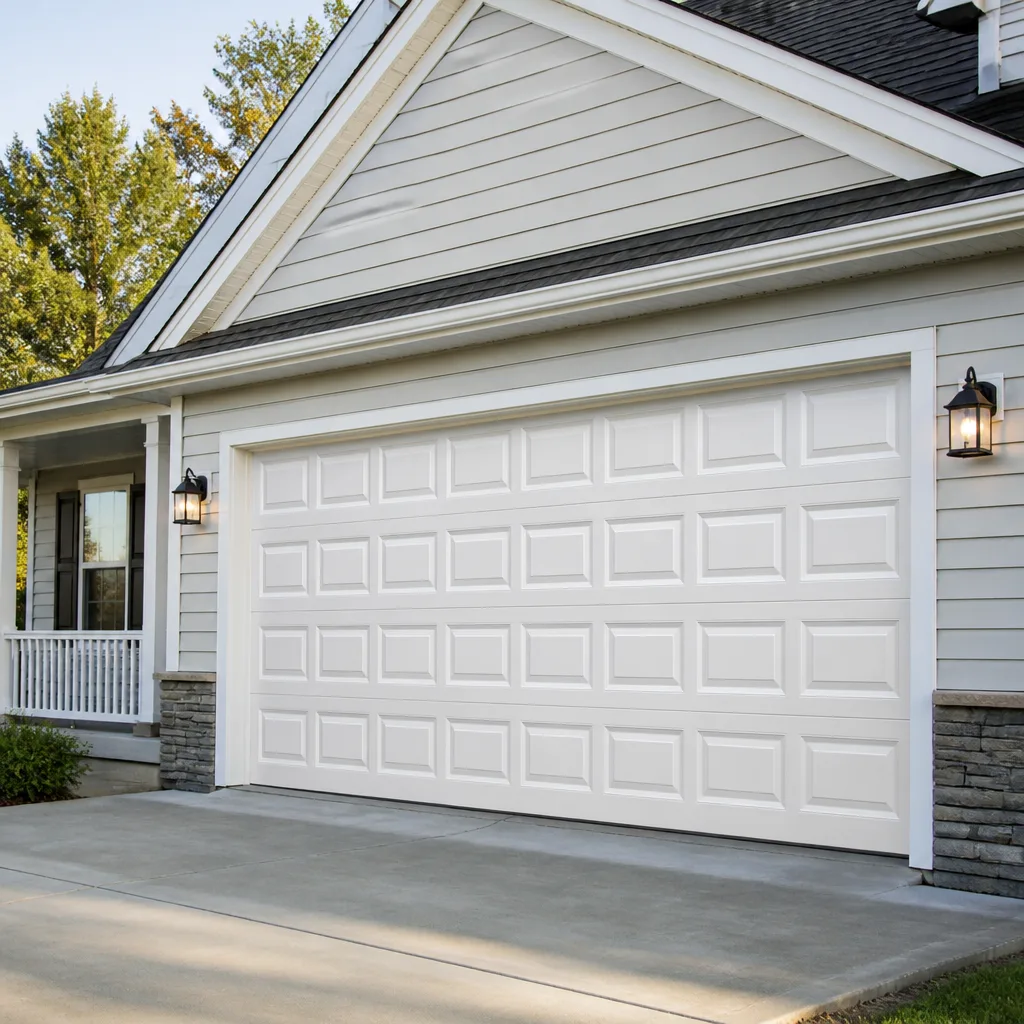 Raised-panel steel
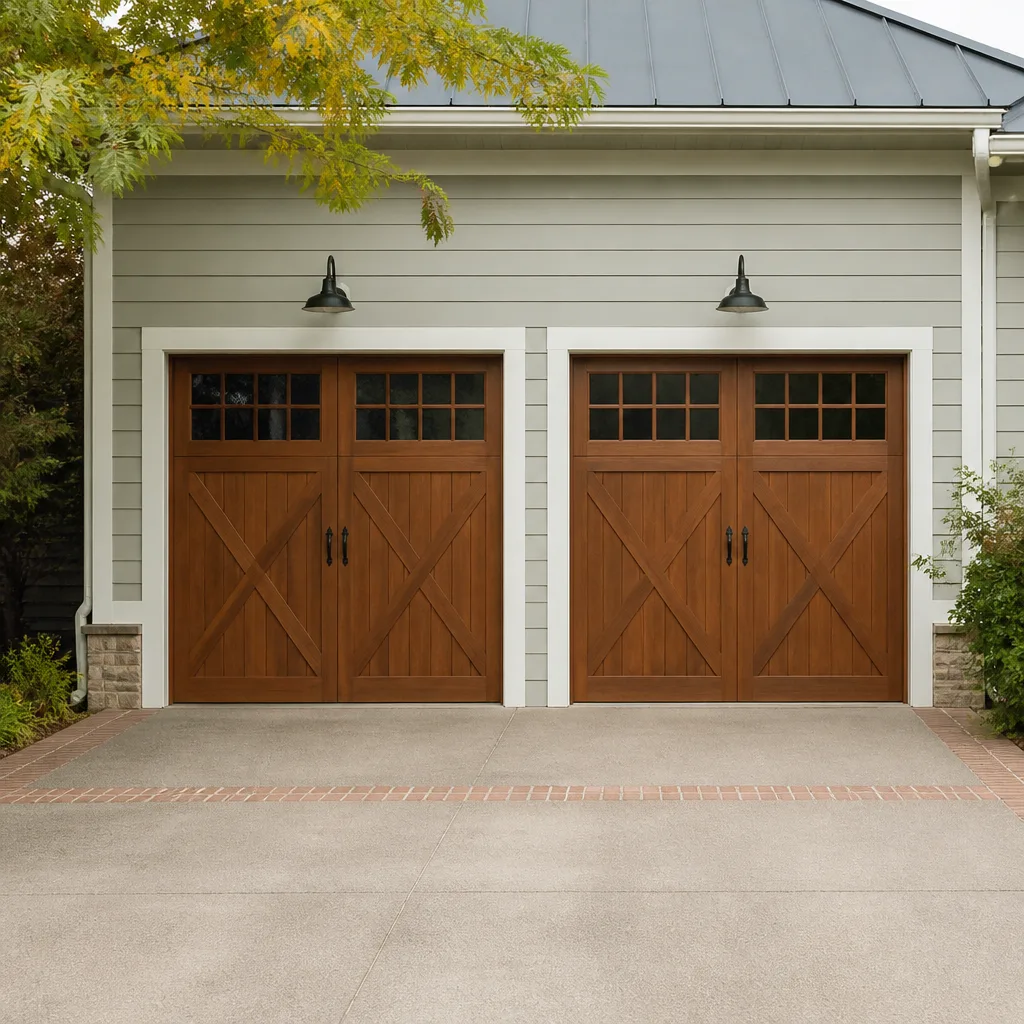 Carriage house
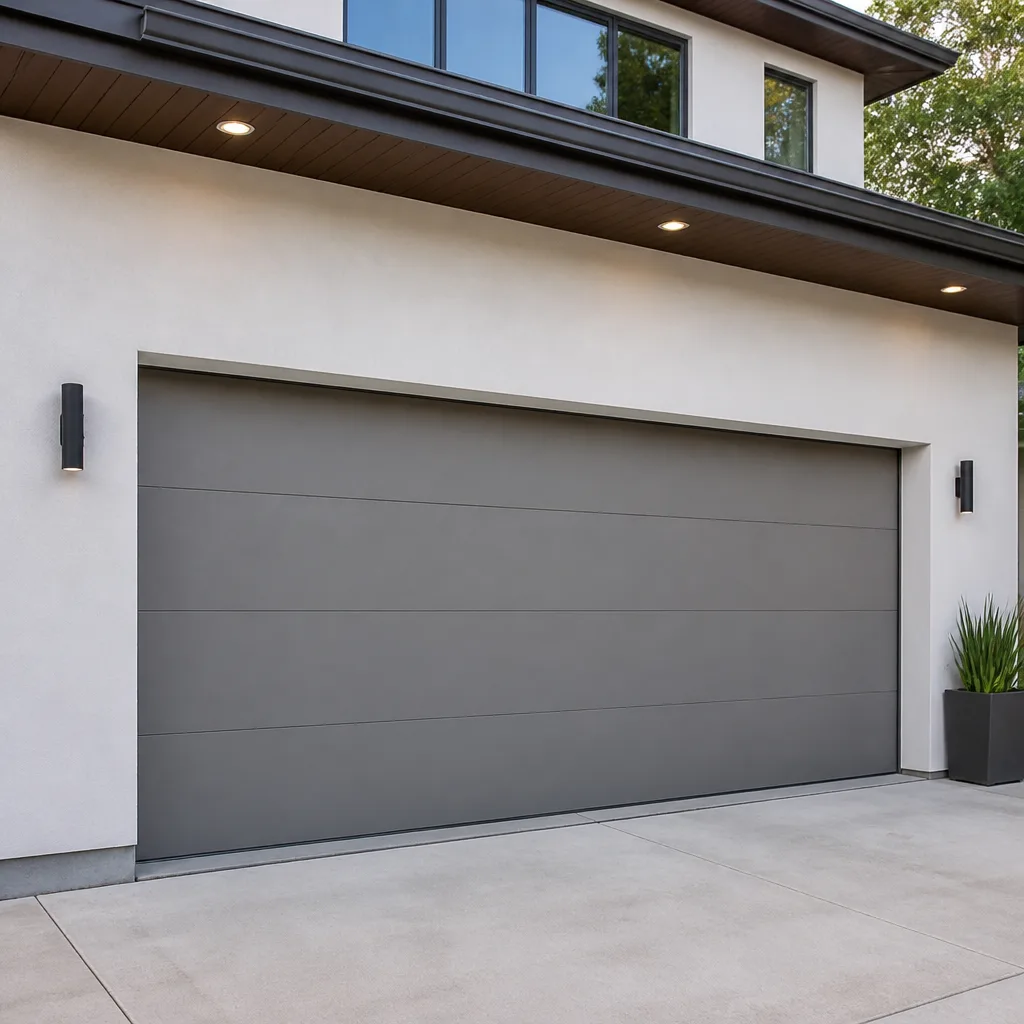 Modern flush
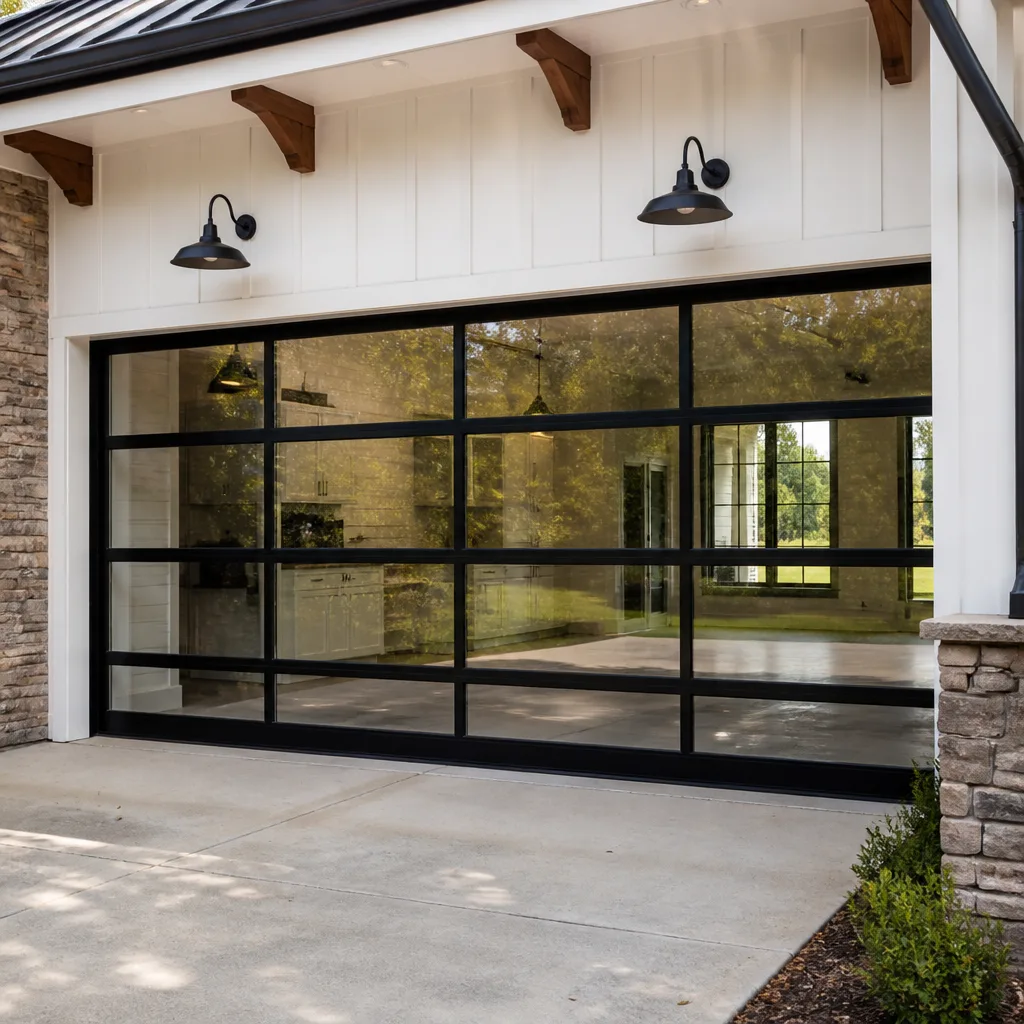 Full-view glass
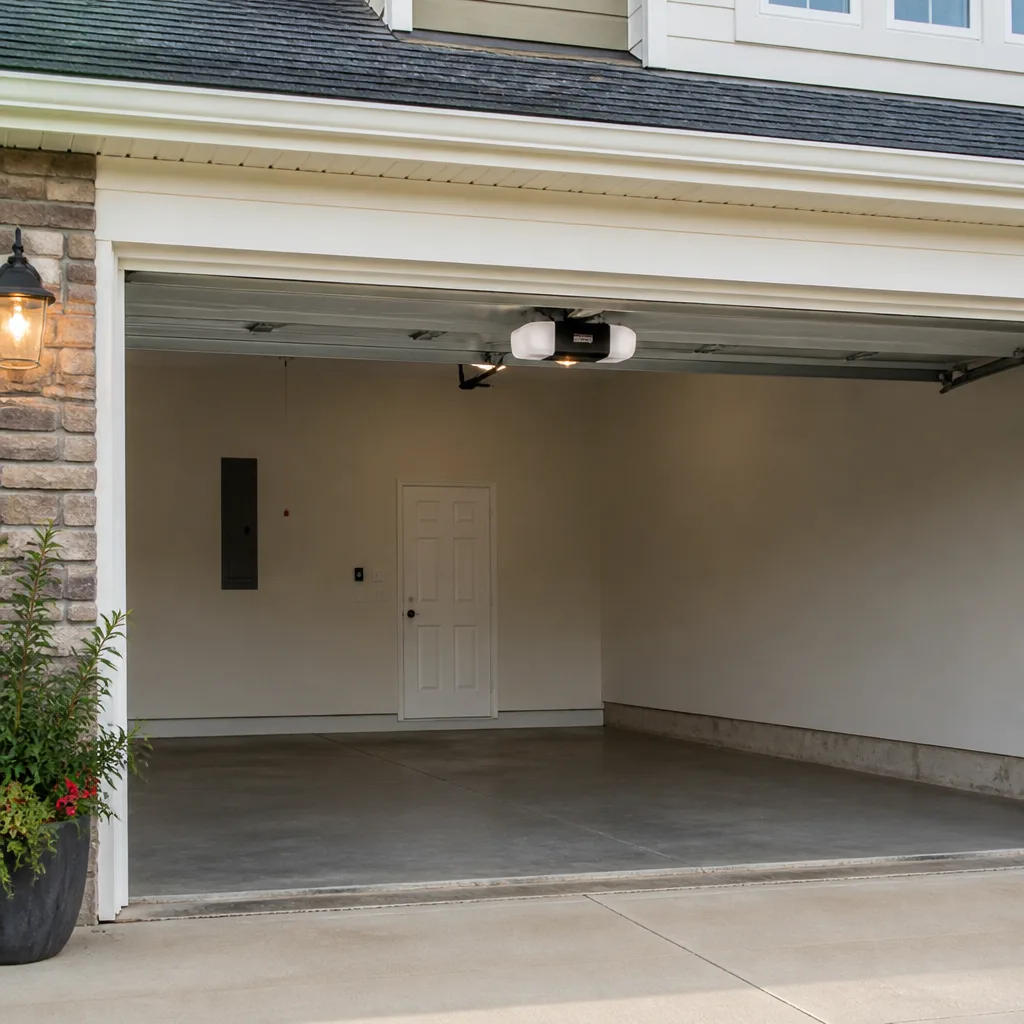 LiftMaster openers
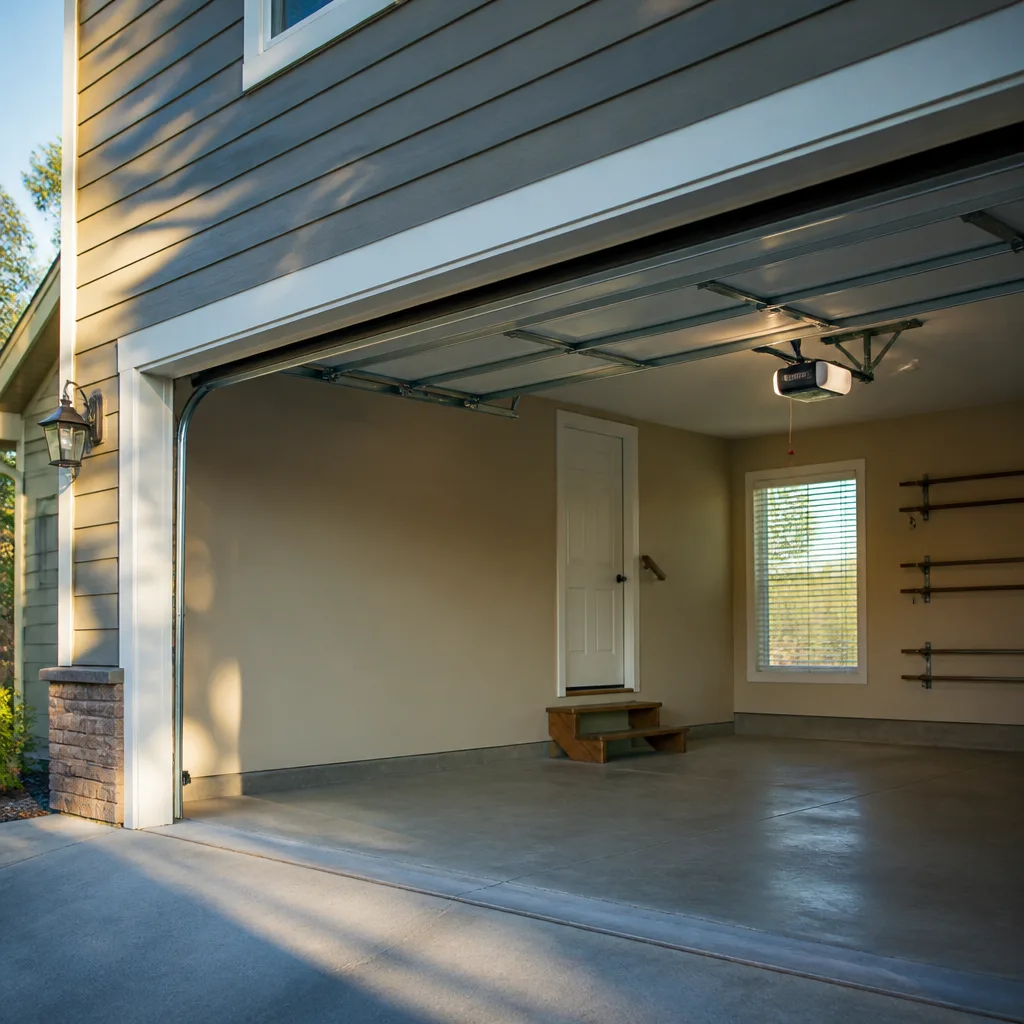 Chamberlain openers
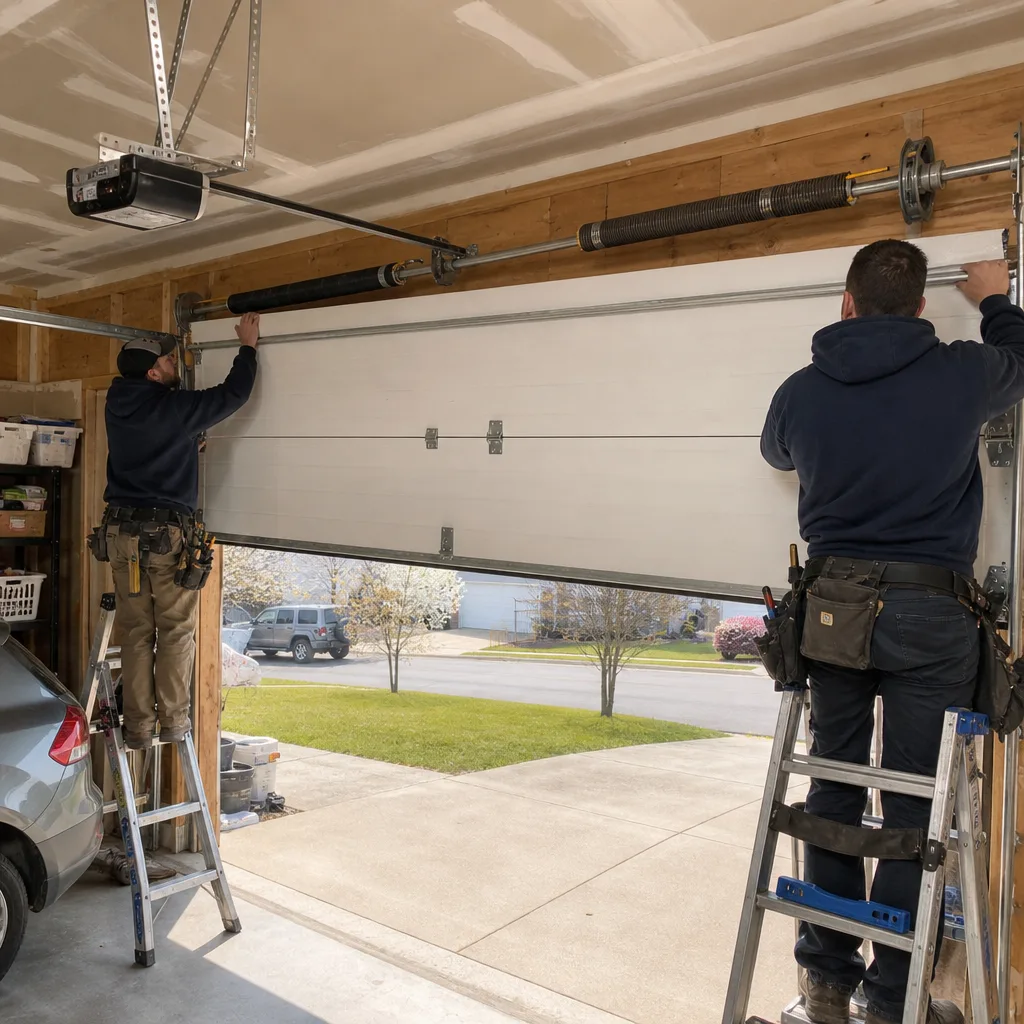
Full 25-point door and opener safety check with every visit - springs, cables, rollers, tracks, and your LiftMaster or Chamberlain opener included
You get a price before we start. It does not change when the pro arrives.
Get your free estimateThe Complete Guide to Garage Doors in Polaris
Most garage door advice you’ll find online was written for a national audience. It talks about “typical” wear and “average” lifespans as if a door in Phoenix and a door in Polaris, OH age the same way. They don’t. Here in Polaris, a specific combination of factors changes the picture: newer subdivisions full of builder-grade hardware, HOAs with strict design rules, and Ohio’s freeze-thaw cycles that stress moving parts more aggressively than the national averages account for. This guide treats Polaris as its own context. We’ll walk through why so many doors here fail on a predictable schedule, how to match style to your HOA without sacrificing insulation, when a panel swap beats a full replacement, and which parts and brands are stocked locally so a repair gets done the same visit. It’s written for homeowners who use their garage every day and want straight answers.
Quick Answer
The key to garage doors in Polaris is understanding that most homes here run builder-grade doors from a handful of manufacturers, and that hardware has a predictable failure window – typically somewhere between years seven and ten for springs, cables, and openers. A full replacement makes financial sense when the door’s structural panels or track are compromised; a panel swap or spring and roller service makes more sense when only the wear items have failed. Because Polaris sits in Ohio’s freeze-thaw belt, bottom seals, rollers, and torsion springs degrade faster than generic lifespan charts suggest, so inspecting them yearly is worth the effort. Working with a garage door specialist who knows the brands installed in your neighborhood is the single biggest factor in getting the repair right the first time.
Styles & brands we work with
- Raised-panel steel
- Carriage house
- Modern flush
- Full-view glass
- LiftMaster openers
- Chamberlain openers
Table of Contents
- Why Builder-Grade Doors in Polaris Fail on a Schedule
- Matching Door Style and Insulation to Polaris HOA Rules
- Full Replacement vs. Panel Swap: Which Makes Financial Sense?
- How Ohio’s Freeze-Thaw Cycles Wear Out Springs, Seals, and Rollers
- Which Brands and Parts We Service (and What Needs Ordering)
- Openers: Smart Systems vs. Legacy Drives
- A Yearly Maintenance Checklist for Polaris Doors
- Springs, Cables, and What You Should Never Touch
Why Builder-Grade Doors in Polaris Fail on a Schedule
Walk through most of the newer subdivisions in Polaris and you’ll see the same thing repeating: a small handful of door models, installed across hundreds of homes, all built within the same few years. That’s how production building works. A builder picks two or three standard door packages that meet the base HOA requirement and installs them everywhere. The models themselves are fine for the price point. But when a whole neighborhood shares the same hardware, it also shares the same wear timeline.
In our experience, that timeline looks something like this:
- Years 1-3: The door is under warranty and functioning as intended. Rollers might start to squeak, and the bottom seal may need adjusting. Minor.
- Years 4-6: Openers start showing strain on heavier doors – the motor labors, the travel settings drift, and remotes get finicky. Rollers show visible flat spots where the door rests.
- Years 7-10: This is the window where the real money gets spent. Torsion springs reach the end of their cycle life, cables fray at the drum, and openers either need refurbishment or replacement. Because neighbors’ doors fail at roughly the same time, you’ll often see a street where several homes need service in the same season.
The lesson isn’t that builder-grade doors are bad. It’s that knowing the age of your door tells you what to expect. If your home was built in a Polaris subdivision in the last decade and you’ve never had a spring replaced, you’re living on borrowed time – and the failure won’t announce itself politely. When a torsion spring goes, it usually goes all at once, and the door becomes immovable until it’s fixed.
If you’re watching this timeline and want a professional opinion on where your door stands, our garage door repair specialists can inspect the whole system and tell you what’s next.
Matching Door Style and Insulation to Polaris HOA Rules
One of the trickier parts of buying a door in Polaris is the HOA layer. Many neighborhoods here have architectural guidelines governing door style, panel configuration, color, and even window placement. Those rules exist to keep the streetscape coherent, and they’re usually reasonable – but they can create tension with what you actually want from a performance standpoint, especially insulation.
The good news is you don’t have to choose between compliance and comfort. The key is sourcing a door that fits the aesthetic requirements and still carries the insulation rating you need for an attached garage. Here’s how we approach it:
- Check the HOA guidelines first. Confirm the approved panel styles, colors, and whether windows are allowed. Do this before you fall in love with a specific model.
- Understand why insulation matters in Polaris. An attached garage shares at least one wall with your living space. A well-insulated door reduces heat transfer through that wall, which matters in both summer and winter. A single-layer steel door with no insulation will be cheaper – and noticeably less comfortable.
- Look for insulated models in the styles your HOA allows. Brands like Clopay and Amarr make insulated doors in the raised-panel and carriage-house styles that dominate Polaris subdivisions, so compliance and performance aren’t in conflict.
- Go with a neutral palette. Even if your HOA allows more color choices, sticking to the neutrals already on your street keeps resale value predictable and saves you a repaint later.
The mistake we see most often is a homeowner ordering a door they like before checking the HOA rules, then discovering it doesn’t comply and having to start over. That’s why our garage door installation process starts with a measure and a conversation about your neighborhood’s requirements, not a sales pitch about specific models.
Full Replacement vs. Panel Swap: Which Makes Financial Sense?
When a door gets damaged or starts looking tired, the first question every homeowner asks is: repair or replace? The answer depends on which part failed and how the rest of the door is holding up. For the door styles most common in Polaris – raised-panel steel, sometimes with window inserts – the decision usually breaks down along a few clear lines.
A panel swap makes sense when:
- Only one or two panels are dented or damaged. A single-panel replacement is far cheaper than a whole new door.
- The rest of the door is structurally sound – the tracks are straight, the springs are within their service life, and the hardware is working.
- The door is still within its expected lifespan and the manufacturer still makes (or stocks) matching panels.
A full replacement makes more sense when:
- The panels are widely dented or the door has taken structural damage that affects operation.
- The door is at or past the age where springs, cables, and rollers are all due for replacement at once – at that point, the cost of fixing everything approaches the cost of a new door.
- You want better insulation or a different style, and the existing panels can’t deliver it.
There’s also the middle path: swapping panels and upgrading the springs and rollers in the same visit. For many Polaris homes, that combination gets you another decade out of the door at a fraction of replacement cost. The only way to know which applies to your door is to have it looked at directly – panel compatibility varies by manufacturer and model year, so a visual inspection tells you more than any checklist can.
How Ohio’s Freeze-Thaw Cycles Wear Out Springs, Seals, and Rollers
Ohio’s climate is hard on garage doors in a very specific way. The freeze-thaw cycle – water gets into a gap, freezes, expands, then melts – works on metal and rubber the same way it cracks pavement. The national lifespan charts you see online rarely account for this, which is why doors in Polaris often fail earlier than “average” estimates suggest.
Here’s what the freeze-thaw cycle does to each component:
- Bottom seals: This is the most visible casualty. The rubber seal at the bottom of the door hardens in cold, then cracks as it flexes open and closed. Once it tears, water intrudes and the door loses its seal against drafts, pests, and moisture. Replacing a bottom seal is one of the least expensive repairs – and one of the most frequently neglected.
- Rollers: Cold temperatures make roller bearings stiff, and the grit that comes in with winter slush works into the tracks. Rollers that see freeze-thaw cycles wear unevenly, which puts a slight sway in the door and speeds up track wear.
- Torsion springs: The spring itself doesn’t “freeze,” but the constant flexing under cold-and-contraction conditions accelerates fatigue. A spring that would last longer in a mild climate may fail sooner here because it’s cycling under more stress over the same period.
What this means practically: a yearly inspection in Polaris has more value than a generic maintenance schedule suggests. Checking the bottom seal, watching the rollers for flat spots, and listening to the door operate are quick tasks that catch small problems before they become a spring replacement or a track repair. If you want a professional to do that inspection and catch the wear items early, that’s exactly the kind of work we do.
Which Brands and Parts We Service (and What Needs Ordering)
One of the biggest frustrations in this trade is the two-visit repair: a technician comes out, diagnoses the problem, then has to order a part and come back days later. We’ve built our service around avoiding that. We stock parts for the major brands so the repair can happen in one visit whenever possible. Our technicians are trained on the hardware the industry’s leading manufacturers actually install – Chamberlain, Genie, Clopay, Amarr, Wayne Dalton, Raynor, LiftMaster, and Craftsman – which means when they open your door’s mechanism, it’s familiar hardware, not a learning exercise.
What we can usually handle in one visit:
- Springs, cables, and rollers for the mainstream residential door models – these are the components we keep on hand because they’re the most common repairs.
- Opener repairs and replacements for LiftMaster, Chamberlain, Genie, and Craftsman systems, including both current Wi-Fi models and older drives.
- Bottom seals and standard hardware.
What sometimes requires ordering:
- Specific panel replacements. Matching colors and profiles vary by model year, so checking availability before committing is part of the job.
- Specialty or discontinued opener models. If the mechanism is uncommon, a specific part may need to be sourced.
- Custom-install doors. A new door gets measured, ordered, and scheduled – that’s the nature of installation work.
The practical takeaway: for repair work, a specialist who stocks parts is the difference between a same-day fix and a week of waiting. Whether you’re a homeowner or managing several rental units in Polaris, that one-visit reliability matters. If you’re ready to have your door looked at, Garage Door Repair Polaris is a straightforward place to start.
Openers: Smart Systems vs. Legacy Drives
Your opener gets less attention than the door itself, but it’s doing a lot of work. In Polaris, we see two broad categories of openers, and each has its own set of common failures.
Modern Wi-Fi and smart openers – LiftMaster and Chamberlain dominate this space, with Genie close behind. These systems are convenient, but they’re also more sensitive to setup. Common issues we see: connectivity drops, app pairing problems, and safety-sensor misalignment. The sensors sit near the floor at the door’s edges, and in a climate with snow, slush, and debris, they get knocked around. When the sensors are misaligned, the door refuses to close – which is a safety feature working as designed, but a frustrating one when you’re trying to leave.
Legacy chain and screw drives – many older homes still run Craftsman and legacy Genie systems. These openers are simpler and often surprisingly durable, but they do wear. The gear assembly, in particular, is a known failure point. When a legacy opener starts making grinding noises or struggling to lift the door, the gear is worth checking before assuming the whole unit is done.
A few general rules help:
- An opener that’s struggling is often straining against a door that needs service. Fix the door first, then judge the opener.
- If your opener needs replacement, upgrading to a modern smart model is usually worth it for the safety features and the ability to control the door from your phone.
- Do not adjust the travel limits or force settings yourself unless you fully understand them – the safety reverse system is what stops the door from crushing something in its path.
When an opener misbehaves, garage door opener repair is usually quick and specific rather than a big job. For brands we know well – LiftMaster, Chamberlain, Genie, and Craftsman – our technicians can diagnose the exact issue and often fix it in one visit.
A Yearly Maintenance Checklist for Polaris Doors
A little preventive work goes a long way in this climate. Here’s what a yearly once-over should include, whether you do it yourself or have a specialist check it:
- Inspect the bottom seal. Look for cracks, tears, or gaps at the corners. Replace it if the rubber is hard or brittle.
- Watch the rollers. Roll a door up and down and watch for flat spots, grinding, or any unevenness in the track. Worn rollers put stress on the whole system.
- Listen to the door. A well-functioning door is quiet. Grinding, popping, or scraping means something needs attention.
- Test the safety reverse. Place a small object in the door’s path and confirm the door reverses when it touches it. This is a safety check, not an optional one.
- Check the balance. Disconnect the opener and lift the door manually halfway. It should stay there. If it drops or feels impossibly heavy, the springs need examination.
- Look at the door’s exterior finish. In a freeze-thaw climate, paint and finish take a beating. Touch-ups keep moisture out of seams and slow corrosion.
Skip the temptation to lubricate everything. Springs and moving metal parts benefit from a proper lubricant, but the tracks and the bottom seal should be kept clean and dry.
Springs, Cables, and What You Should Never Touch
We treat spring and cable work as a core specialty because it’s the most dangerous repair in the trade. Torsion springs are wound to enormous tension – they’re what counterbalances the door’s weight – and a spring that releases unexpectedly can cause serious injury. Cables are under similar tension. This is not a job for a DIY approach, no matter how many videos you’ve watched.
What you should never do:
- Attempt to wind, unwind, or remove a torsion spring yourself. The winding bars and the technique are not optional.
- Cut or remove a cable under tension.
- Adjust the spring anchor or the winding cone.
A trained professional has the tools, the technique, and the safety knowledge to handle this work. In our experience, a spring replacement done correctly takes minutes; a spring replacement done wrong can mean a serious injury. That’s why we recommend keeping spring work in professional hands – and why when a spring goes, it’s a job for a specialist, not a general handyman.
Common Mistakes to Avoid
- Ignoring the door until it breaks. A yearly inspection in a freeze-thaw climate catches seal and roller wear long before it becomes a bigger repair. Doors here don’t fail randomly; they fail on a timeline you can anticipate.
- Assuming a panel swap is always cheaper. It usually is, but only if matching panels are still available for your model. Check compatibility before committing.
- Ordering a new door before checking HOA rules. Many Polaris neighborhoods have specific style requirements. Confirming them first saves you a lot of trouble.
- Letting a struggling opener mask a door problem. If the door itself needs service, replacing the opener won’t fix the underlying issue – and might make it worse.
- Hiring a general handyman for spring work. Springs are the most technically demanding repair in the trade. A generalist may get it done, but a specialist gets it done right.
- Skipping the bottom seal. It’s inexpensive to replace and does a lot of work keeping moisture out. Most homeowners don’t think about it until it’s completely gone.
- Overloading the door with paint or finish. Too many coats add weight, which speeds up spring and opener wear. A couple of proper coats is all you need.
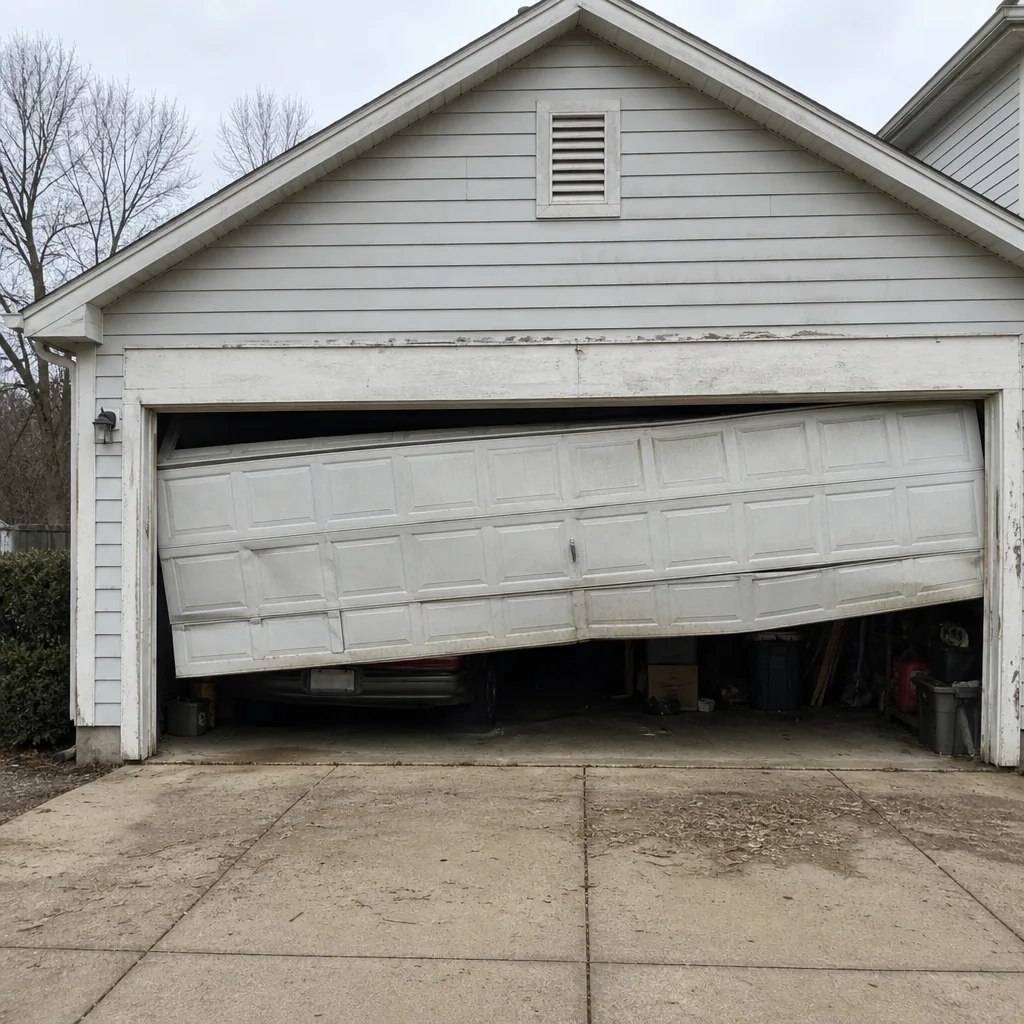
See the difference
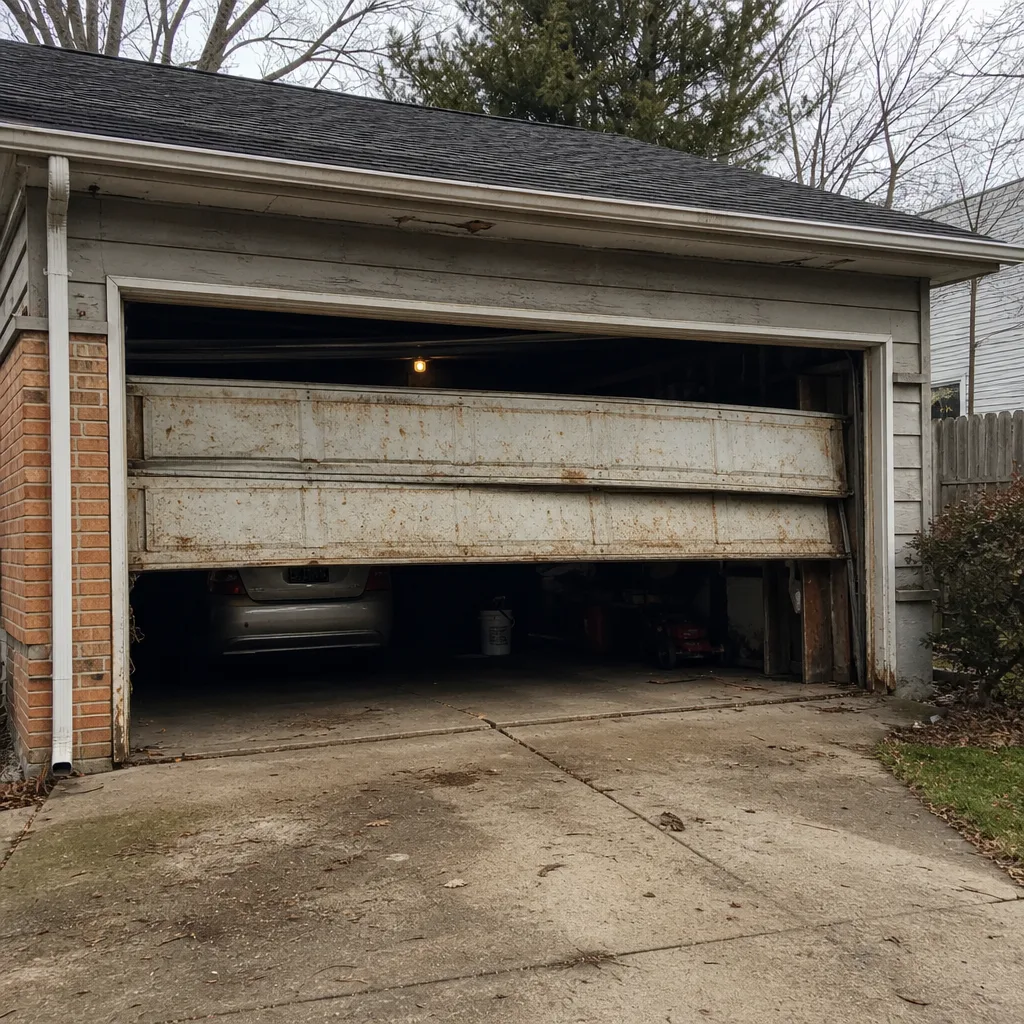 Before
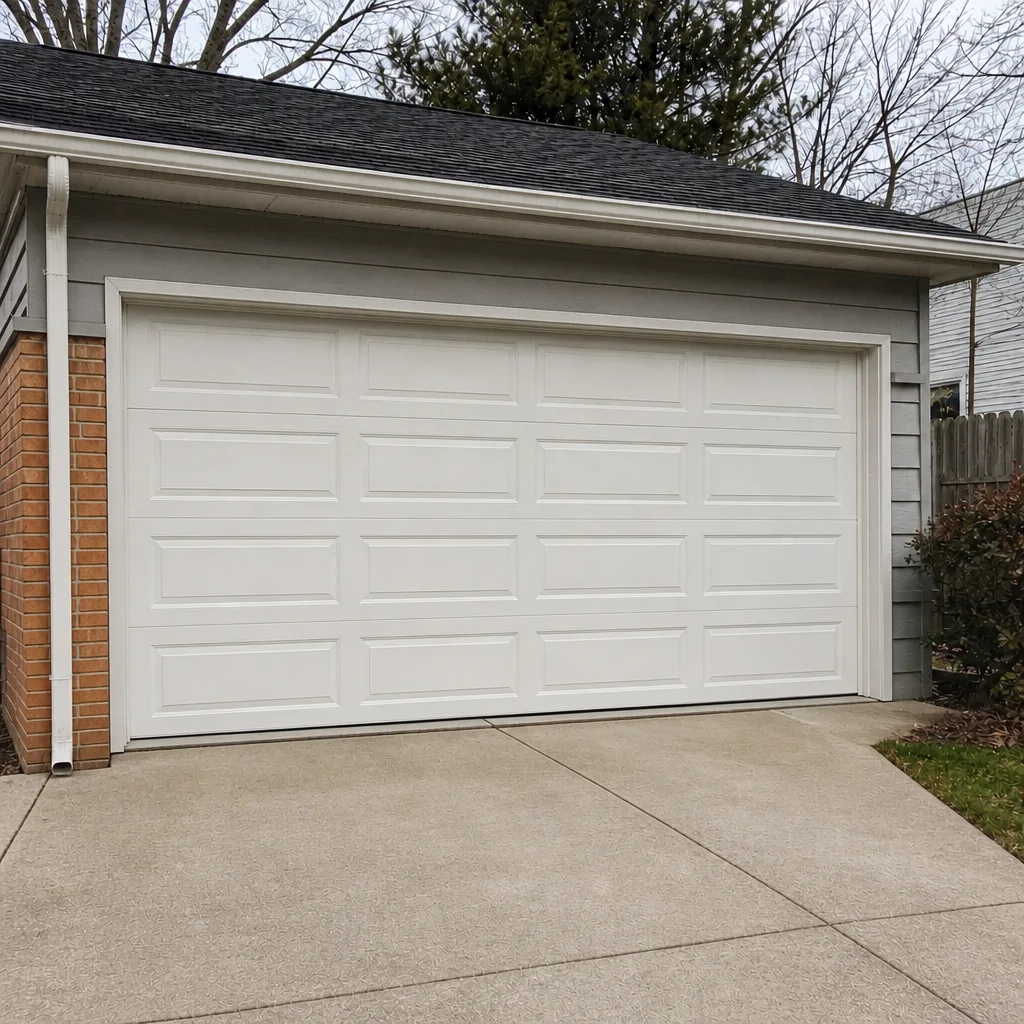 After
 Before
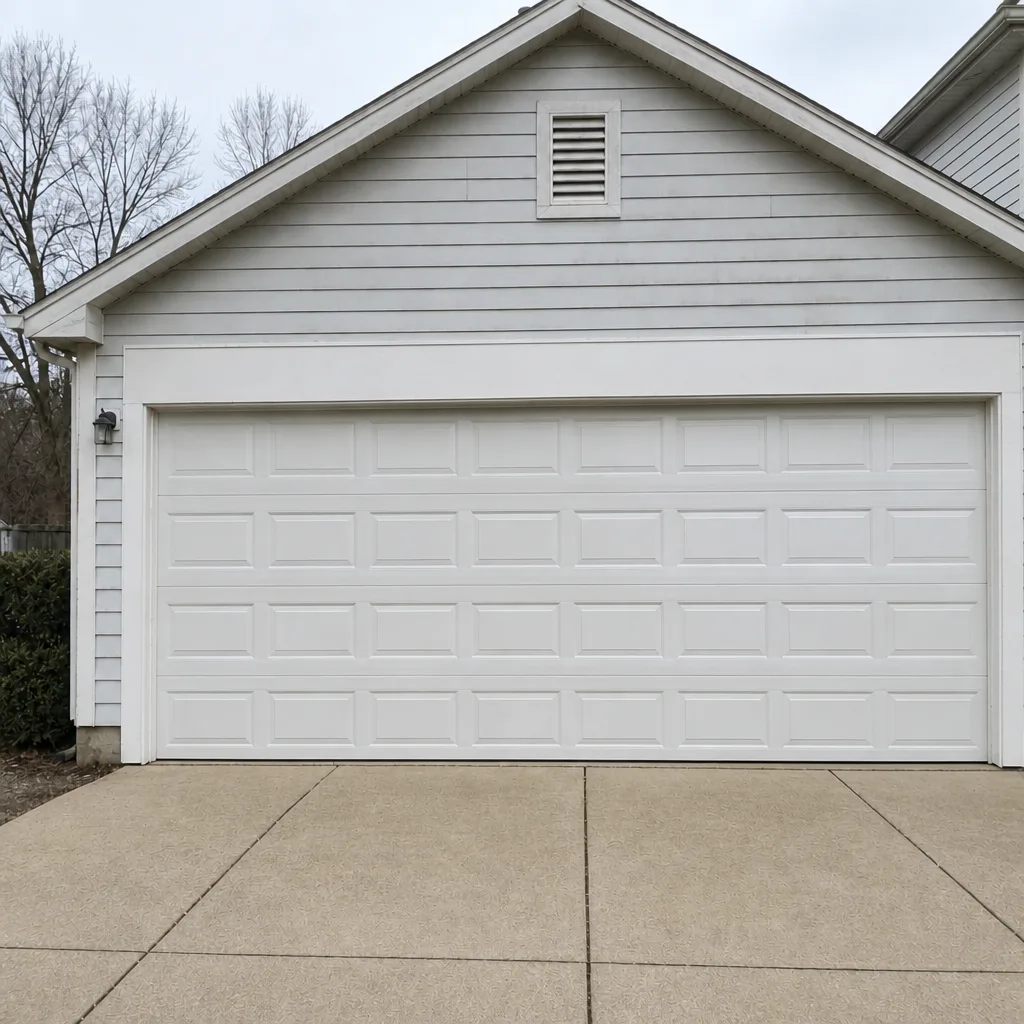 After
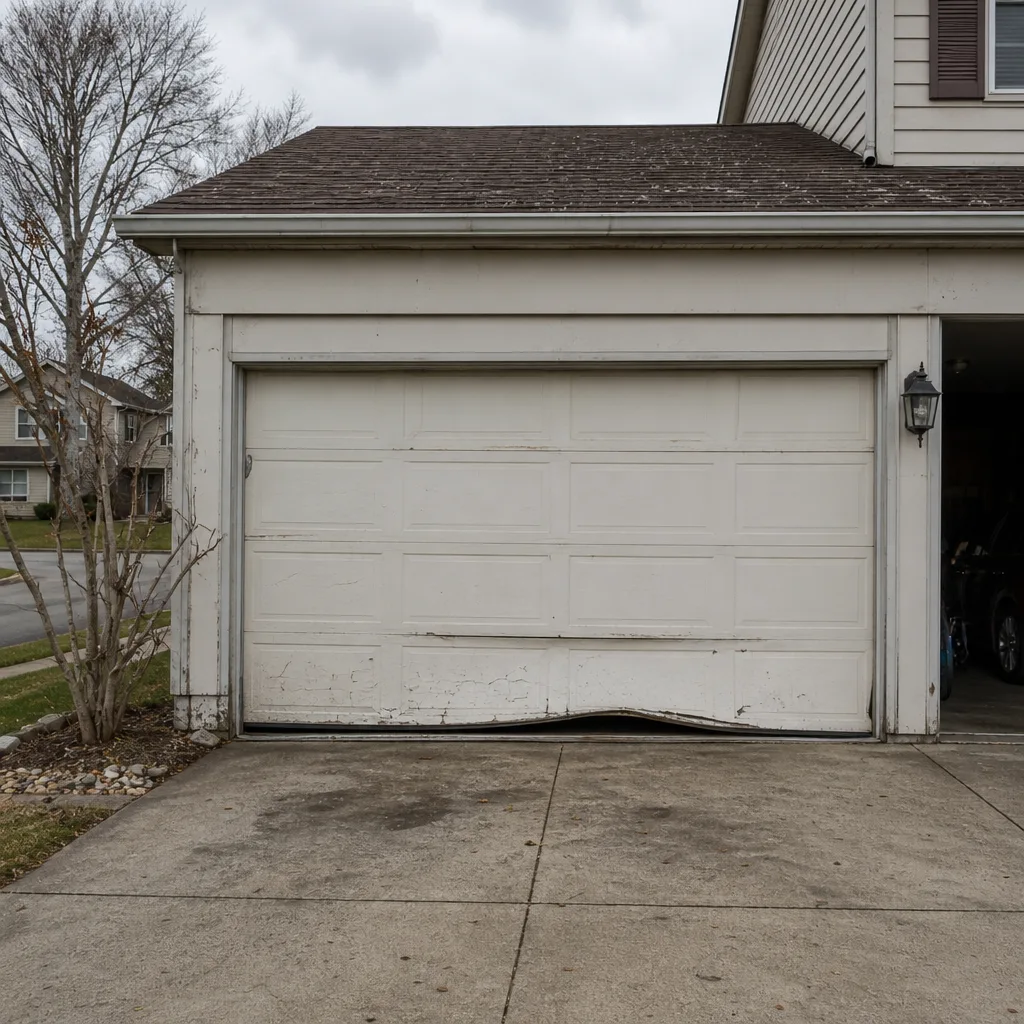 Before
 After
When to Call a Professional
Call a professional when a spring breaks, when the door won’t close or reverses unexpectedly, when the door comes off the track, or when your opener struggles to lift a door it used to handle easily. Call if you see a frayed cable, a dented or bent track, or a bottom seal that’s torn away. Call if your door makes grinding or popping noises during operation, or if the safety reverse test fails. And call if the door is simply at the age where springs, cables, and openers are all due for renewal at once. The pattern for builder-grade doors in Polaris subdivisions is well-known, so an early call now can save a surprise repair later.
Garage Door Repair Polaris offers free estimates in Polaris – call (833) 842-9208. We inspect the whole system, quote a price in writing before any work starts, and handle the repair with parts on hand so it’s often done in one visit.
Frequently Asked Questions
Once a year is a good rule of thumb in Polaris, because Ohio’s freeze-thaw cycles wear down bottom seals, rollers, and springs faster than the national averages account for. A yearly inspection lets you catch small issues while they’re still inexpensive. If your door is in the 7-10 year age window typical of newer subdivisions here, a professional inspection is worth prioritizing.
Because the majority of homes in newer Polaris subdivisions were built within a similar window, they were fitted with the same two or three builder-grade door models. That shared hardware hits the same wear milestones together, so springs, cables, and openers tend to reach the end of their service life around the same time across a neighborhood. It’s a scheduling coincidence, not a defect.
Yes, if only one or two panels are damaged and matching panels are still available for your model. A panel swap is usually far cheaper than a full replacement. If the rest of the door is structurally sound and the hardware has life left, a panel swap plus new springs and rollers can extend the door’s life considerably. We check model compatibility first to be sure the match is right.
Yes. Many manufacturers, including Clopay and Amarr, offer insulated doors in the raised-panel and carriage-house styles that dominate Polaris subdivisions. The key is checking your HOA guidelines before choosing a model, then picking an insulated door within the approved styles. Compliance and performance rarely conflict when you shop in the right order.
Stop using the door and call a professional. A broken torsion spring leaves the door unbalanced and dangerous to operate – the opener will strain, and the door can come down unexpectedly. Springs are under enormous tension; do not attempt any DIY repair. A trained technician can replace the spring safely and get the door back in service.
We service and replace openers from LiftMaster, Chamberlain, Genie, and Craftsman, covering both modern Wi-Fi-enabled models and older chain and screw drives. Because we stock parts for these brands, many opener repairs are done in a single visit rather than requiring a second appointment after ordering. Call (833) 842-9208 for a free estimate.
The Bottom Line
Garage doors in Polaris live in a specific context: builder-grade hardware from a handful of manufacturers, HOA design rules, and a freeze-thaw climate that wears down seals, rollers, and springs faster than generic lifespan charts suggest. The good news is that this makes your door’s future predictable. If you know when it was built, you can anticipate the spring and opener window in years 7-10. If you know your HOA rules before choosing a door, you avoid reordering. And if you work with a specialist who stocks parts and knows the brands installed in your neighborhood, you get repairs done in one visit rather than two. Most doors here don’t need a full replacement – they need the wear items addressed on schedule and by someone who does this every day. Free estimates are available; call (833) 842-9208 for a no-pressure inspection and a written price before any work begins.
Written by the team at Garage Door Repair Polaris.