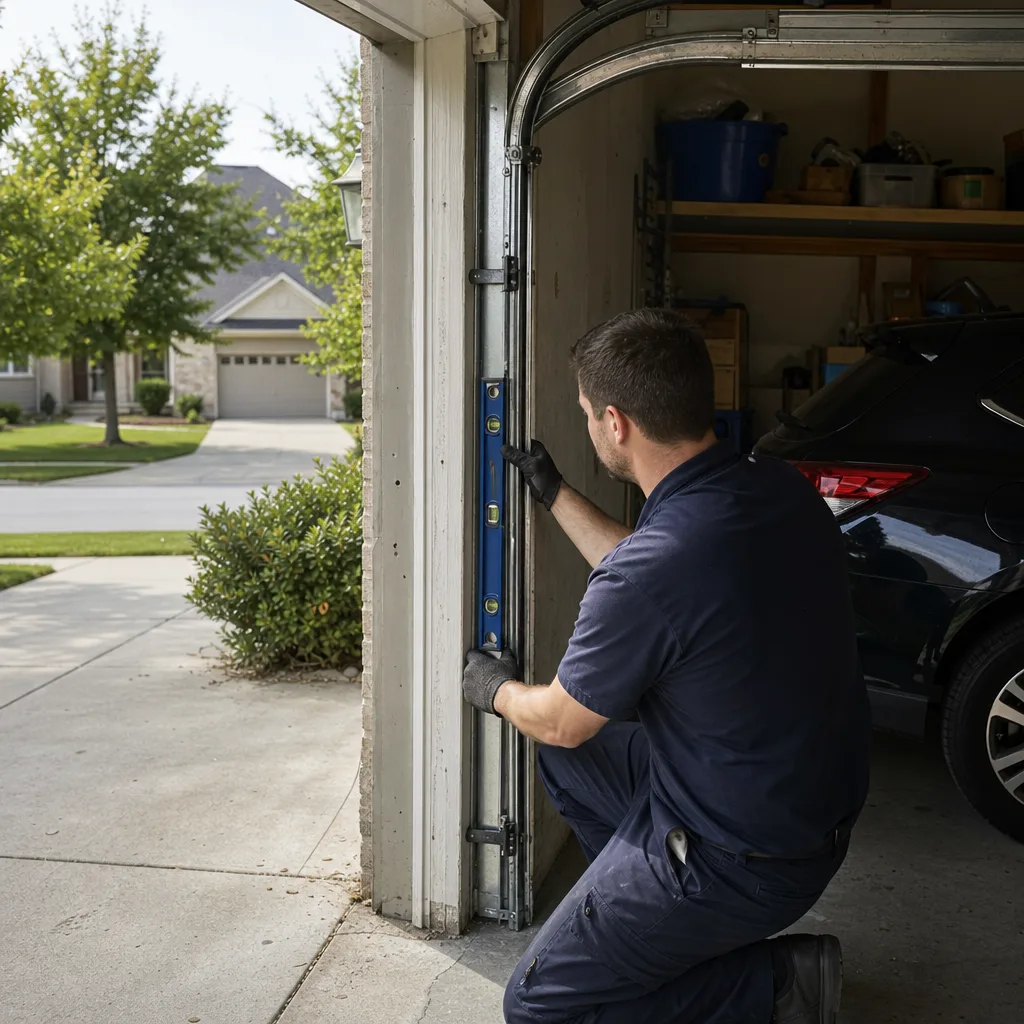
Last updated November 21, 2026
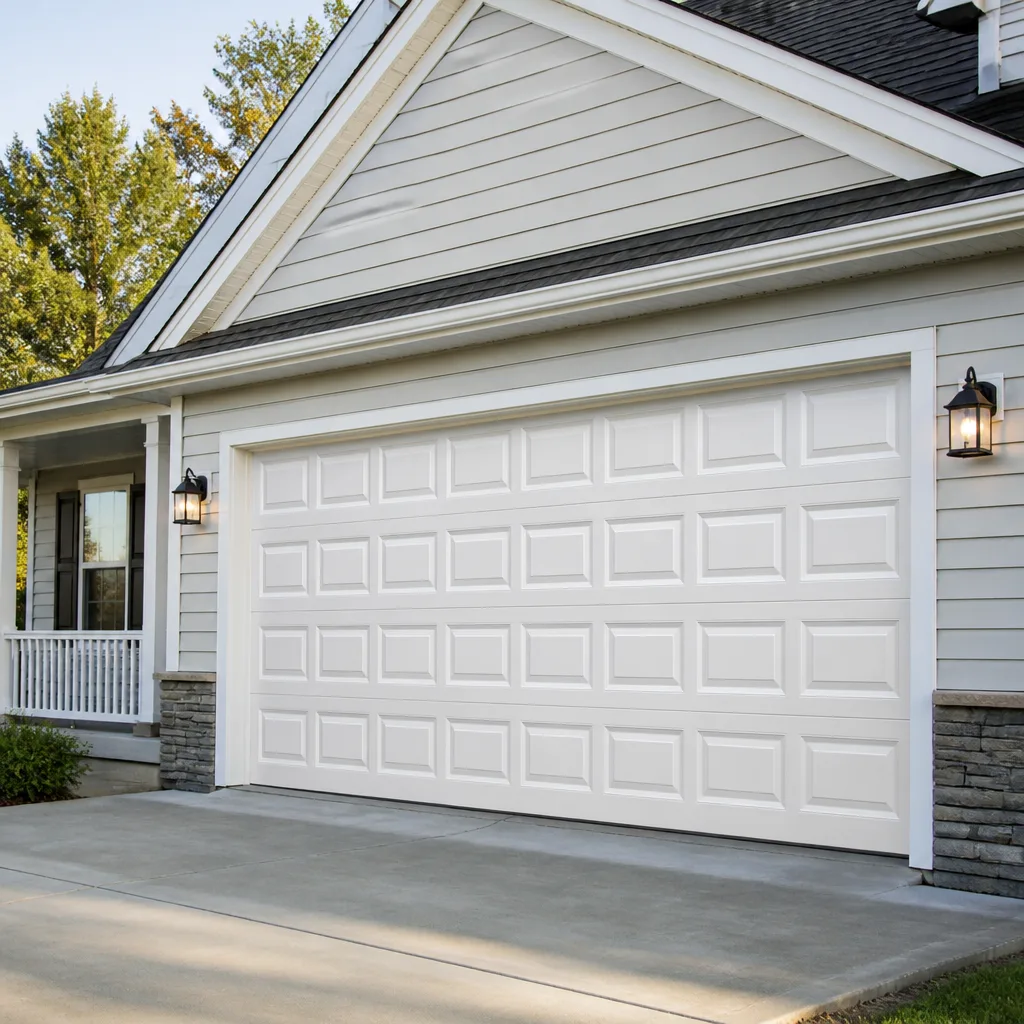 Raised-panel steel
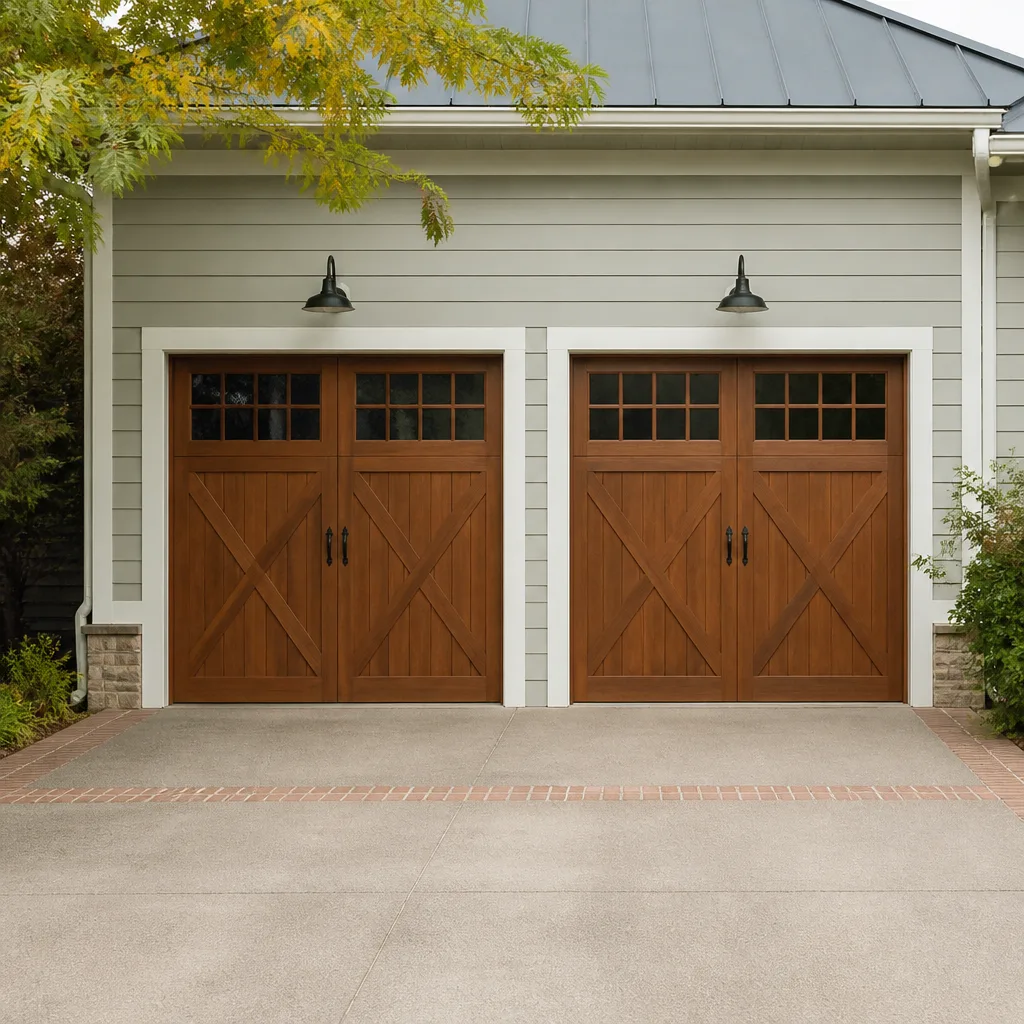 Carriage house
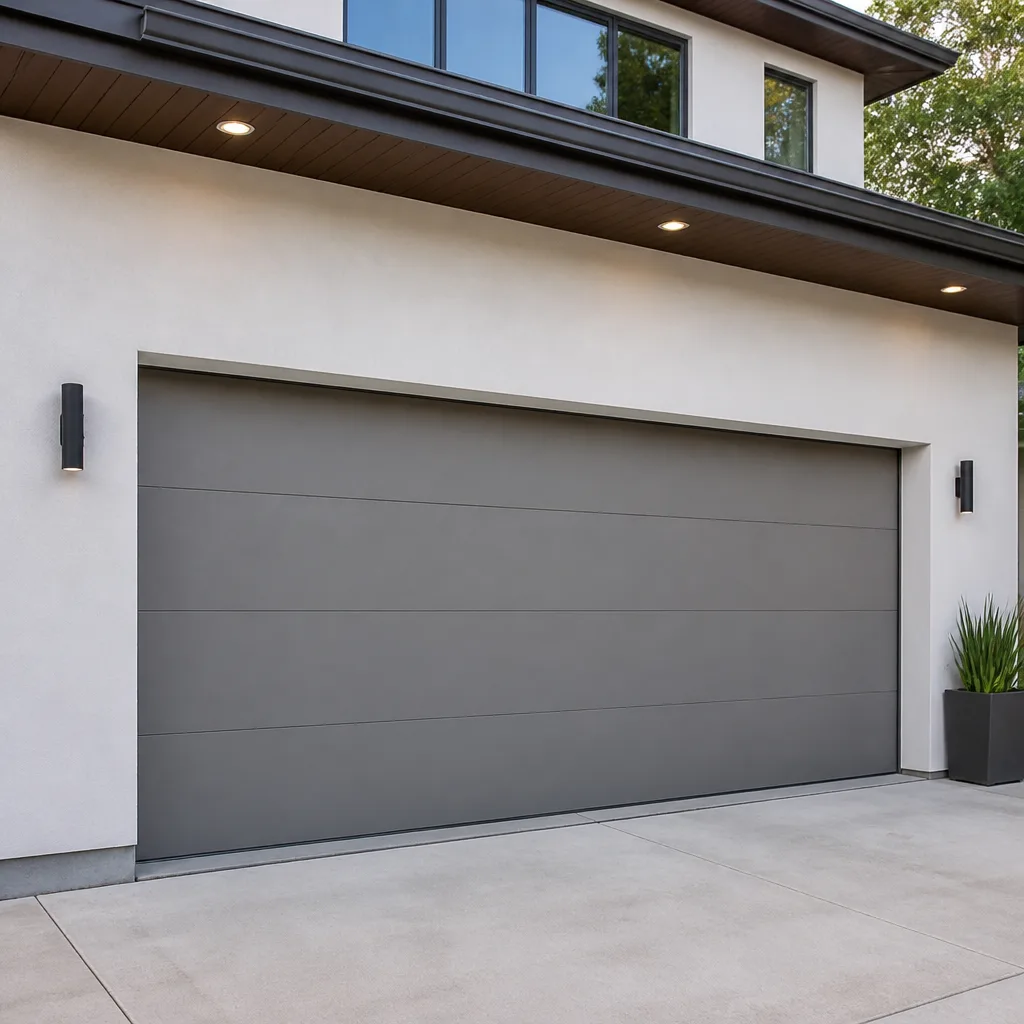 Modern flush
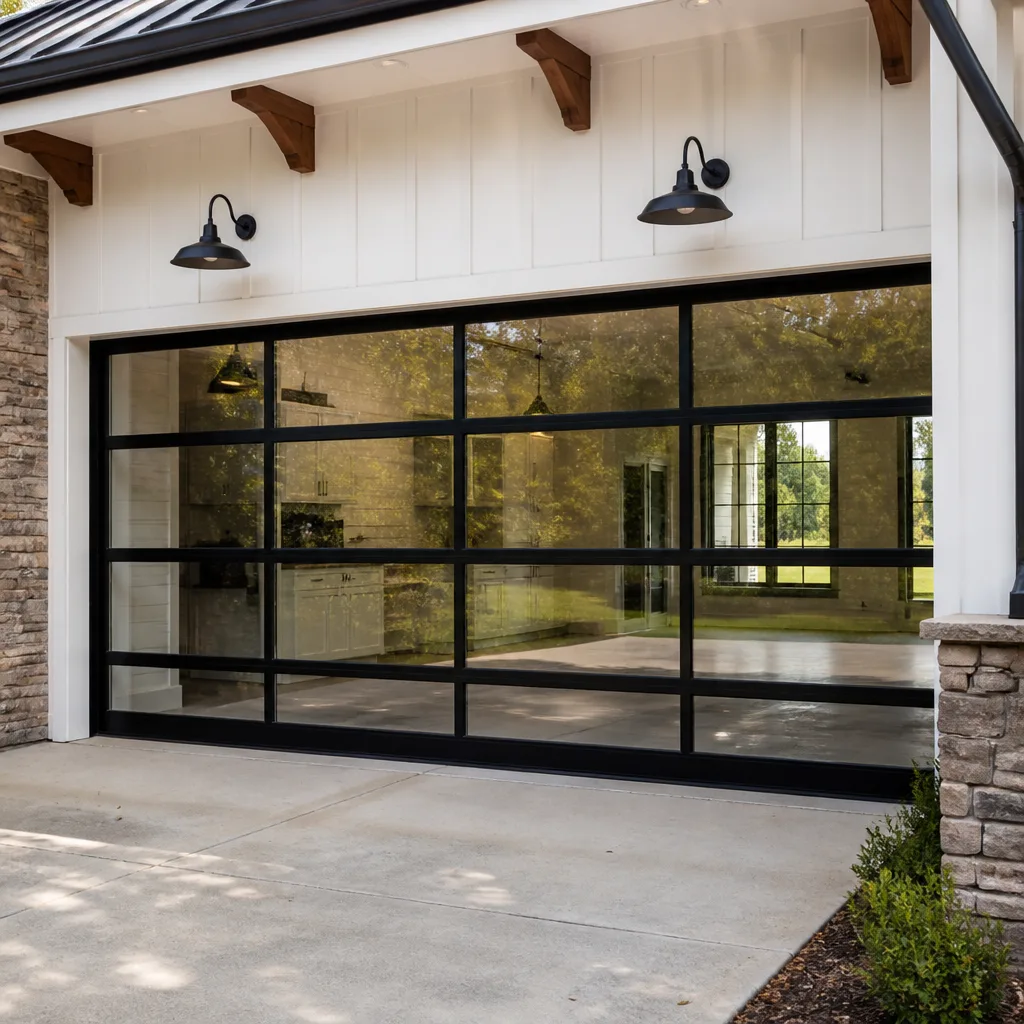 Full-view glass
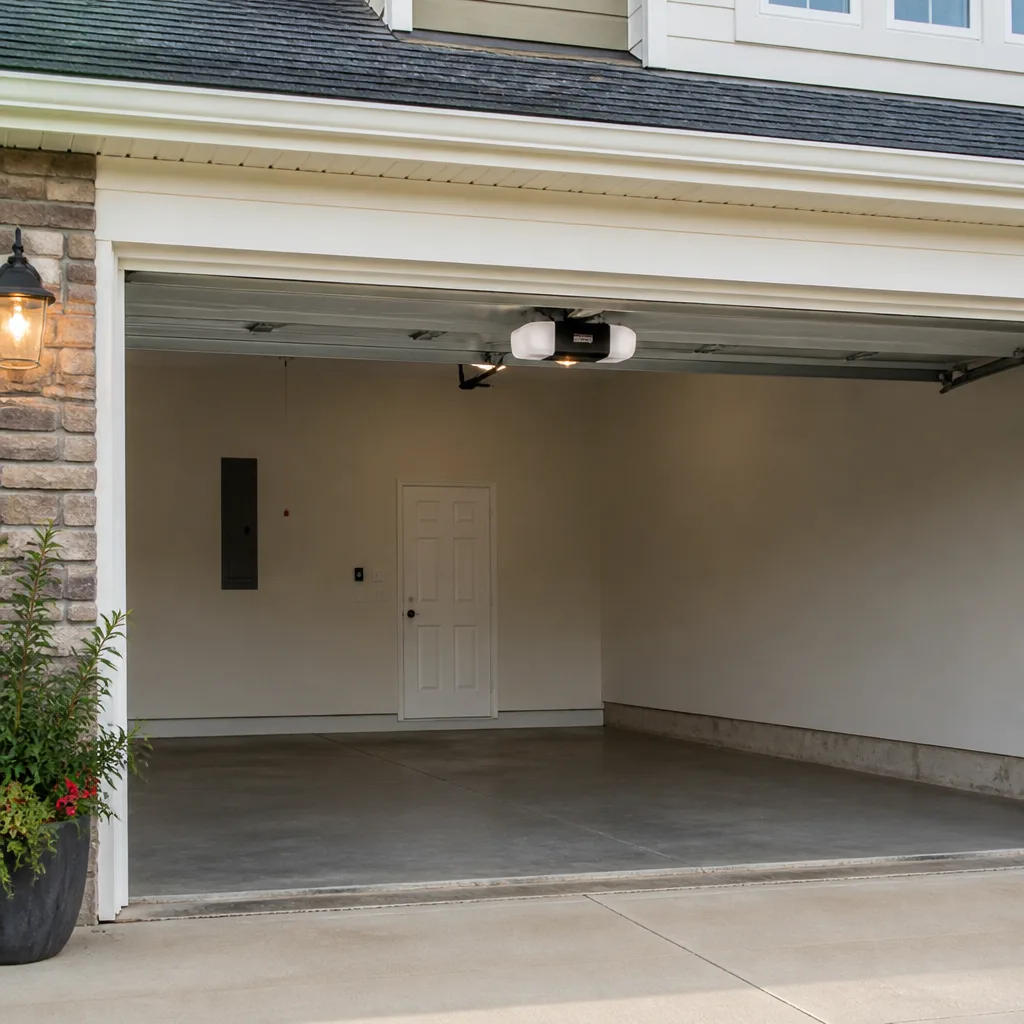 LiftMaster openers
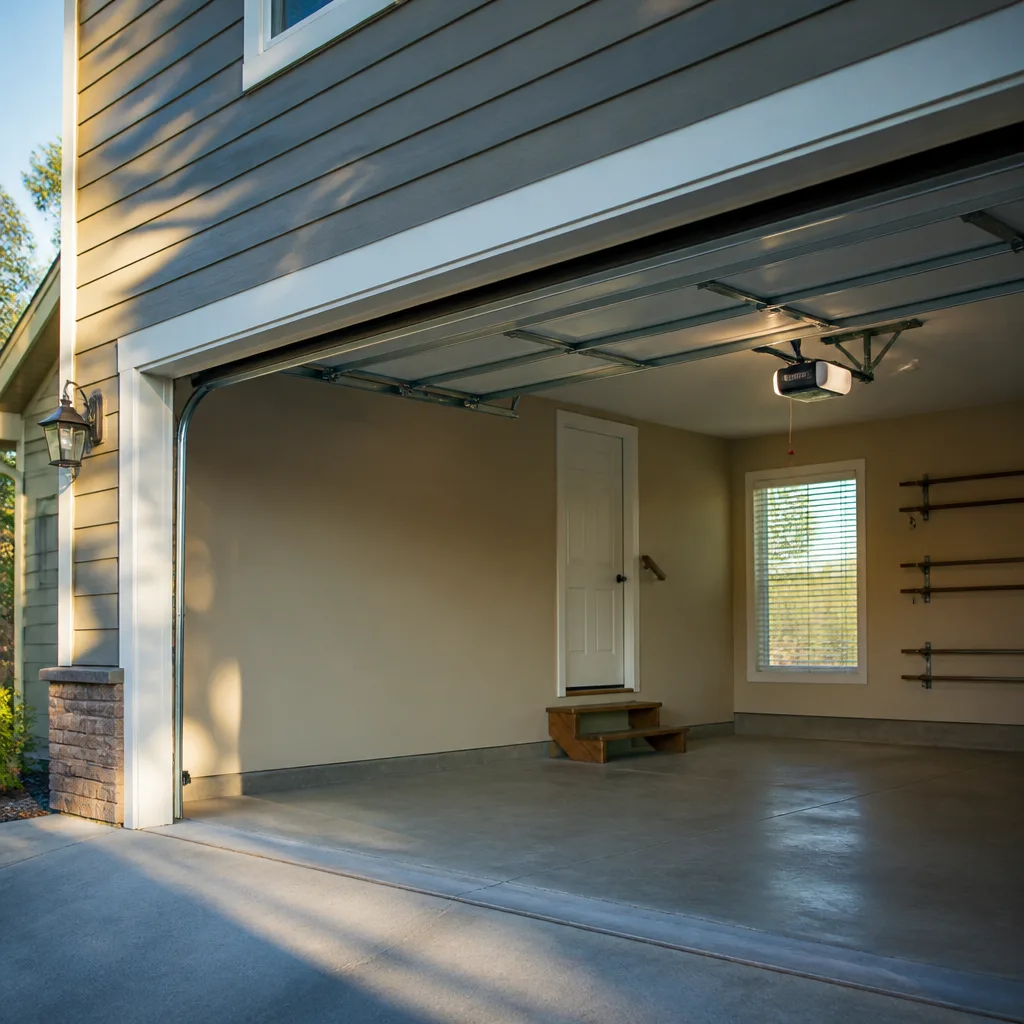 Chamberlain openers
Full 25-point door and opener safety check with every visit - springs, cables, rollers, tracks, and your LiftMaster or Chamberlain opener included
You get a price before we start. It does not change when the pro arrives.
Get your free estimateSeasonal Garage Door Care for Polaris: Year-Round Homeowner’s Guide
The busiest repair morning of the year in central Ohio isn’t the day after a summer storm. It’s the first morning the temperature drops below 20°F. Contracted steel, grease that has thickened to the consistency of cold peanut butter, and an opener motor already working harder than it should all hit their limits at the same moment. A door that ran quietly all August can fail on that first hard freeze for reasons that have nothing to do with what you did or didn’t do in July. Polaris sits in a part of Ohio that puts a garage door through four very different kinds of stress each year, and this guide maps them one season at a time so you know what to watch for before it becomes a repair.
Quick Answer
Seasonal garage door care in Polaris means addressing a different failure mode each season: cold-thickened lubricant and stiff springs in winter, ice damage and rust in early spring, heat expansion and humidity in summer, and a pre-winter tune-up in fall that catches spring tension and auto-reverse problems before the cold arrives. The single highest-value step is lubricating moving parts with a cold-rated product before the first freeze. The second is testing the auto-reverse function before October ends.
Styles & brands we work with
- Raised-panel steel
- Carriage house
- Modern flush
- Full-view glass
- LiftMaster openers
- Chamberlain openers
Table of Contents
- Why Polaris Garage Doors Face Four Distinct Stress Seasons
- Winter: Why Lubricant Choice Matters More Than Anything Else
- Spring: The Post-Freeze Inspection Sequence
- Summer: Heat Expansion and Humidity
- Fall: The Pre-Winter Checklist a Technician Runs
- Freeze-Thaw Cycles and Your Bottom Seal
- Common Mistakes to Avoid
- When to Call a Professional
Why Polaris Garage Doors Face Four Distinct Stress Seasons
Most seasonal checklists you’ll find online were written for a generic climate that doesn’t really exist. They list the same tasks every spring and fall because the author needed something to fill two columns. Polaris doesn’t work that way. The weather here moves through four genuinely different stress periods, and each one attacks a different part of the door.
Winter is about contraction and viscosity. Metal shrinks, lubricants thicken, and the opener has to push against both. Spring arrives with the damage the freeze left behind: ice that worked its way into tracks, moisture that started rust on torsion hardware, and a bottom seal that cracked after months of being frozen to the floor. Summer brings the opposite problem. Steel panels expand in the heat, wooden overlays absorb humidity, and clearances that were set in April can go tight by August. Fall is the window where you can still fix what summer loosened before winter locks it in.
A door that passed every test in June can still fail in that first cold snap in November, and not because anything wore out. It fails because the same components are being asked to do the same job under completely different physical conditions. That’s the core idea behind seasonal care in Polaris: you’re not repeating a checklist, you’re anticipating which failure mode is next in line.
We work on garage doors across the Polaris area every week, and the pattern holds. The calls that come in January are almost always about something that could have been caught in October. The calls that come in April are almost always about ice damage from February. Season by season, here’s what actually matters.
Winter: Why Lubricant Choice Matters More Than Anything Else
If you do nothing else this winter, get the right lubricant on the moving parts. Cold is not the enemy of a garage door; cold lubricant is. A product that flows freely at 70°F can thicken into a paste at 10°F, and when that happens your opener motor is pushing through resistance it was never designed to handle. That extra load is what burns out motors, strips gears, and shortens the life of everything downstream.
The products that hold up below 0°F are the ones formulated for cold: white lithium grease in a spray can, or a silicone-based lubricant designed for garage door hardware. What you don’t want is standard household oil, WD-40 used as a lubricant (it’s a solvent, not a long-term lubricant), or any heavy grease meant for warm-climate machinery. Those turn to paste when the temperature drops, and paste is what kills openers in an Ohio January.
Where the lubricant goes matters as much as which one you use:
- Rollers and hinges – one light pass on each, not a soaking. Excess attracts grit.
- Springs – a thin coat on the coils reduces friction, but only a technician should be working that close to a wound torsion spring.
- The opener rail and chain or belt – follow the manufacturer’s spec, because some belt drives want almost no lubrication at all.
- Bearings and bearing plates – these get overlooked and they’re where a lot of cold-weather squealing comes from.
LiftMaster and Chamberlain openers, which show up on a large share of Polaris homes, are sensitive to drag on the rail. When the door is harder to move in the cold, the opener’s travel limits and force settings may need adjustment, and that’s a job for someone who knows the specific unit. A Craftsman or Genie opener from an earlier era has its own quirks. We service all of them, and the lubricant routine is the same regardless of brand. Get it done before the first hard freeze, not after.
Spring: The Post-Freeze Inspection Sequence
By the time the ground thaws in Polaris, the door has been through months of contraction, ice, and grit. Spring is when you inspect for what winter left behind, and the order matters. Do it in this sequence:
- Bottom seal first. Look for cracks, splits, and sections that have torn away from the aluminum retainer. A seal that froze to the concrete and then got pulled up when the door opened will show separation at the edge.
- Cables next. Check for fraying, kinks, and rust along the length. Ice that builds up in the tracks can catch a cable and start a fray that gets worse every cycle.
- Torsion hardware and springs. Look for rust on the torsion tube, the springs, and the bearing plates. Rust on a spring is a warning sign, not a cosmetic issue; a corroded spring is closer to failing than a clean one.
- Tracks and rollers. Clear any debris and check that the tracks are still plumb. Ice can push a track slightly out of alignment, and a door that runs rough is usually running against a misaligned track.
- Balance test. Disconnect the opener (pull the release handle) and lift the door halfway. A balanced door stays put. One that drifts down on its own has a spring problem.
If the balance test fails, stop there and call. A door with a weakened spring isn’t safe to cycle, and it’s putting extra strain on the opener every time you use it. This is the point where a small spring issue becomes an opener replacement if you let it run. Spring repair is the work we do most in Polaris, and it’s the repair we’d most want a homeowner to catch early rather than late.
Springs and cables are under extreme tension, and they can cause serious injury if handled without the right tools and training. Don’t try to adjust, tighten, or replace them yourself. A trained technician has the winding bars, the knowledge of the specific hardware, and the experience to do it safely.
Summer: Heat Expansion and Humidity
Summer in central Ohio does the opposite of winter to your door. Steel panels expand in the heat, and a door that ran perfectly in April can start to bind slightly in July. Wooden overlays, which are common on decorative garage doors around Polaris, absorb humidity and swell. That swelling can push a panel out of alignment, cause the door to rub against the frame, or make the sections harder to hinge smoothly.
You’ll notice summer stress in a few ways:
- The door sounds different in the heat: a slight scrape, a groan at the top of travel, or a rattle that wasn’t there in spring.
- The opener seems to strain more, or the door doesn’t close all the way and reverses on its own.
- Wooden sections show gaps at the joints or a texture change where the finish is lifting.
Most summer issues are adjustments, not replacements. A technician can rebalance tension, adjust the travel limits on the opener, and check the hinges and rollers for binding. If your door is a wood-overlay model from Amarr or Wayne Dalton, check the finish each summer; a failing topcoat lets moisture into the wood and starts the swelling cycle that causes most of the alignment problems we see. For modern steel doors, the main task is keeping the hardware lubricated and the tracks clear, since heat makes any existing friction worse.
Humidity is the quieter problem. It works on the wood, the seals, and the paint, and it does it slowly enough that most homeowners don’t notice until the door is visibly out of adjustment. A summer inspection catches it before it turns into a repair.
Fall: The Pre-Winter Checklist a Technician Runs
Fall is the most important season for garage door care in Polaris because it’s the last clear window before the cold locks everything in place. What a technician actually checks before October ends isn’t a long list; it’s a focused one, and the auto-reverse test and spring tension check come first.
- Auto-reverse test. Place a solid object (a 2×4 laid flat works) in the door’s path and close it. The door should reverse on contact. If it doesn’t, stop using the opener until it’s fixed; this is a safety function, not a convenience feature.
- Photo-eye test. With the door open, wave an object through the beam at the bottom of the tracks. The door should not close while the beam is broken. Clean the lenses and check alignment.
- Spring tension check. Look at the springs and the balance test again. A spring that’s lost tension over the summer will be working much harder in the cold.
- Lubrication. Apply a cold-rated lubricant to rollers, hinges, and bearings before the first freeze.
- Weather seal and bottom seal. Check for gaps, cracks, and areas where the seal has pulled away from the floor.
- Opener force and travel settings. Confirm they’re within spec, because a door that gets harder to move in the cold will trip the safety reverse if the settings are already at their limit.
Notice that this list is short. Fall care isn’t about doing more; it’s about doing the right things before the temperature drops. The auto-reverse test and the spring tension check are the two that matter most, and both are quick. Do them before the end of October and you’ll go into winter with a door that has a much better chance of running smoothly through the cold. If you’d rather have it handled in one visit, our garage door repair team can run the whole sequence and adjust anything that’s out of spec.
Freeze-Thaw Cycles and Your Bottom Seal
Ohio’s specific enemy isn’t sustained cold; it’s the freeze-thaw cycle. Polaris gets plenty of days where the temperature climbs above freezing and drops back below it within twenty-four hours. Every one of those cycles does a small amount of damage to the bottom weather stripping and the concrete floor seal, and over a winter it adds up.
Here’s what happens. Moisture gets between the bottom seal and the concrete. It freezes overnight, expands, and pries the seal slightly away from the door or the floor. It thaws during the day and the gap fills with more moisture. The cycle repeats, and by February the seal is cracked, stiff, and no longer making contact with the floor. You may not notice until you feel a draft, see water in the garage after rain, or find that the door no longer sits flat.
A few things reduce the damage:
- Keep the floor clear of snow and ice at the door threshold, so meltwater drains away instead of pooling under the seal.
- Make sure the bottom seal is flexible, not brittle. A cold-rated rubber or vinyl seal holds up better than a hardened one.
- Check the seal each spring for cracks and separation, and replace it if it’s no longer making contact.
A worn bottom seal is one of the cheapest parts to replace and one of the most overlooked. If you’ve been meaning to have your garage door opener repair sorted at the same time, a technician can inspect the seal while they’re there and recommend a replacement if it’s due.
Common Mistakes to Avoid
- Using the wrong lubricant. Household oil and heavy grease turn to paste in the cold, and that paste is what burns out opener motors. Use a cold-rated product, and don’t over-apply.
- Skipping the auto-reverse test. This is the single most important safety check on a garage door, and it takes two minutes. Test it before every winter.
- Ignoring a door that’s getting harder to open. A door that’s stiff in the cold is a door that needs adjustment, not a door that’s just cold. The stiffness is a warning.
- Adjusting springs yourself. Torsion springs are under extreme tension and can cause serious injury. Leave the winding to a technician who has the right tools and training.
- Forgetting the bottom seal. It’s the cheapest part on the door and the one that takes the most abuse from freeze-thaw cycles. Check it each spring.
- Treating brand as an afterthought. A LiftMaster, Chamberlain, Genie, Craftsman, or Raynor opener each has its own force and travel settings. A technician who knows the brand does the adjustment faster and gets it right the first time.
- Waiting until the first freeze. The first cold morning is the busiest repair day of the year in central Ohio. Get the fall checklist done in October, before the rush.
When to Call a Professional
Some seasonal care is homeowner work: lubricating the moving parts, testing the auto-reverse and photo-eye, clearing the tracks. Other work is genuinely dangerous or needs specific knowledge, and that’s where a trained technician earns their keep. Call a professional if the spring tension check fails or you hear a loud bang from the torsion area; if the door is visibly out of balance or won’t stay halfway up; if a cable is frayed or a track is bent; if the door won’t close flat against the floor; or if the auto-reverse doesn’t work and you can’t figure out why. Any of those is a job for someone with the right tools and the specific brand knowledge, not a weekend project.
Garage Door Repair Polaris offers free estimates in Polaris. Our technicians have up to 11 years of experience and work exclusively on garage doors, which means they’re not learning on your LiftMaster or Clopay door. Call (833) 842-9208 to book a seasonal inspection or a repair.
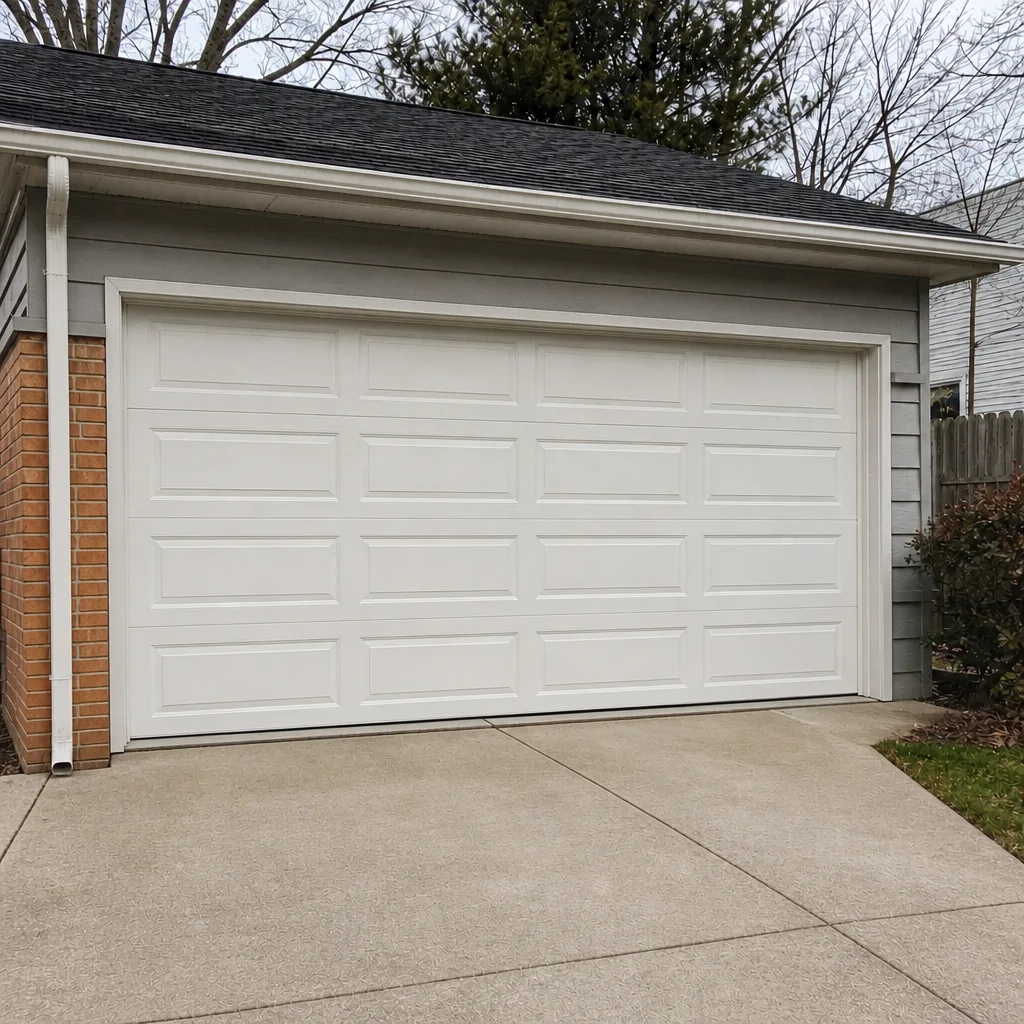
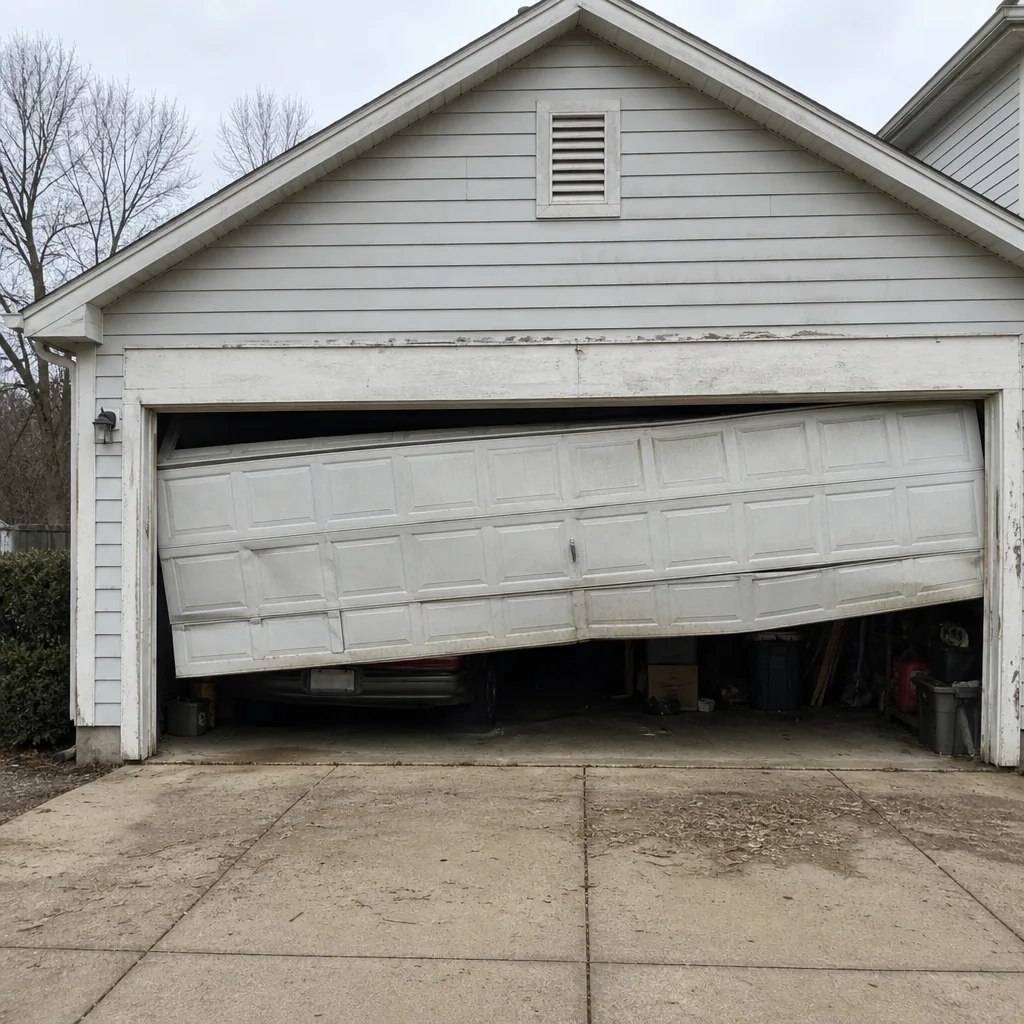
See the difference
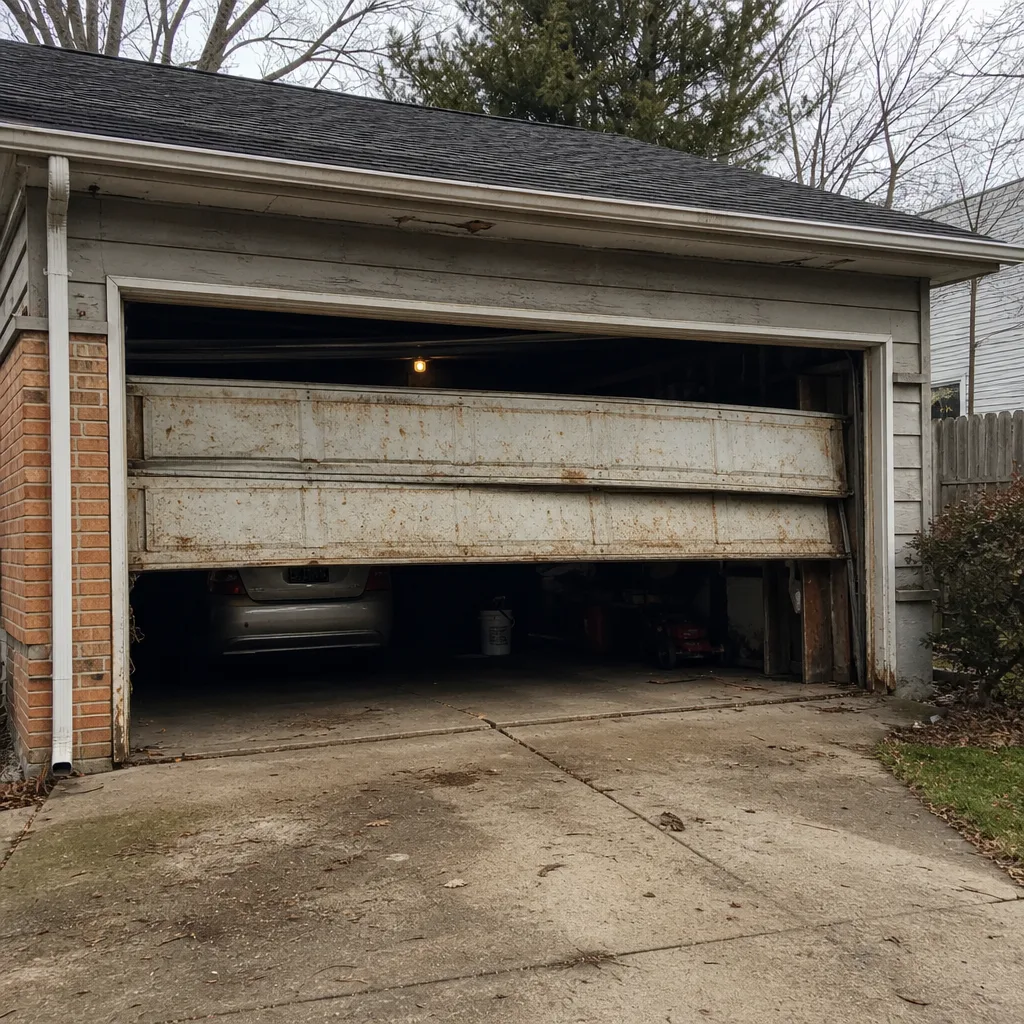 Before
 After
 Before
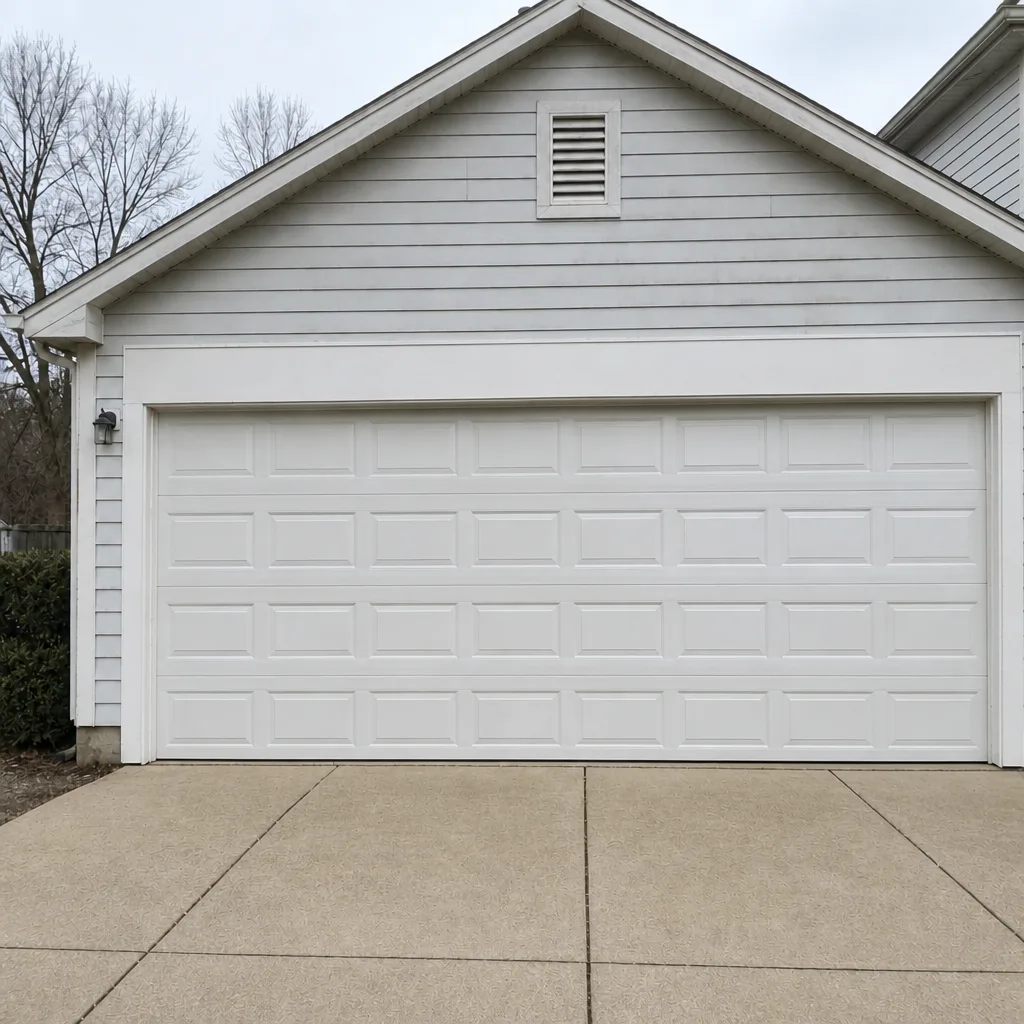 After
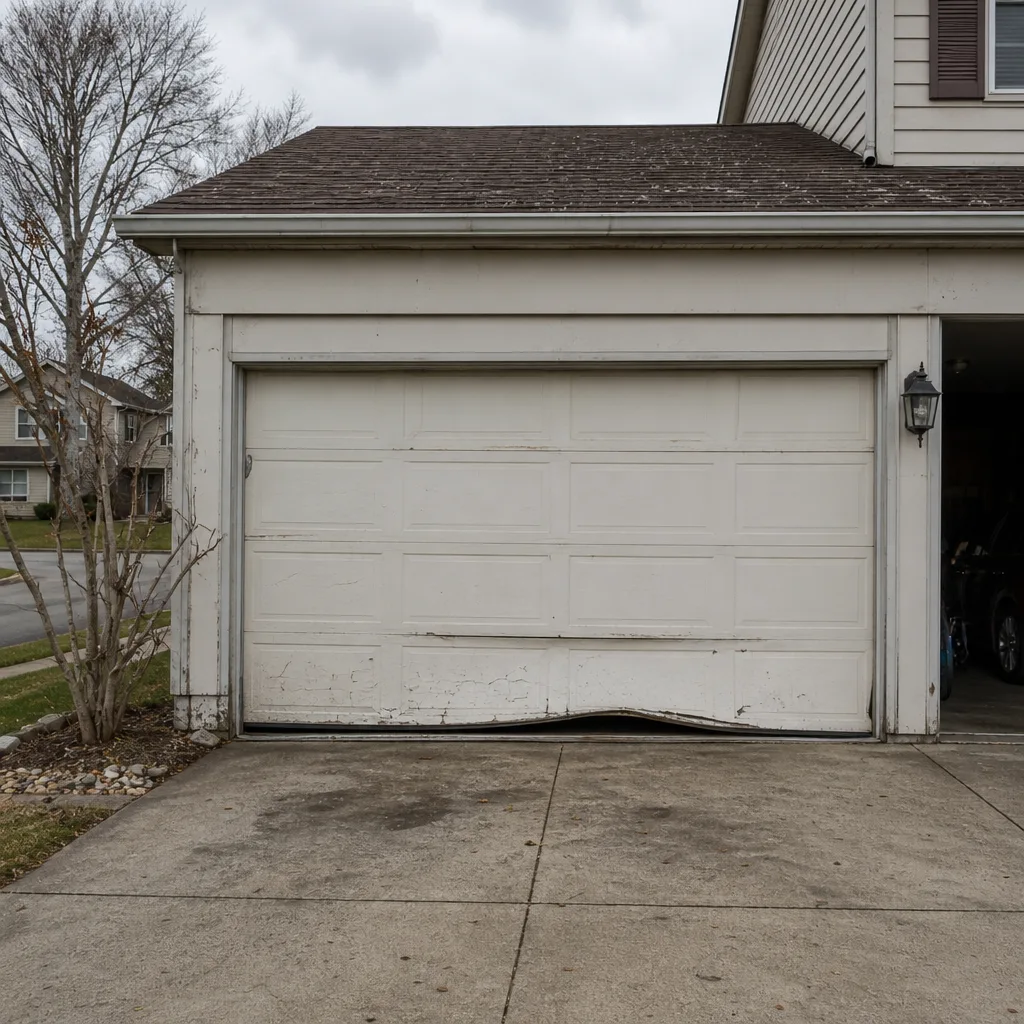 Before
 After
Frequently Asked Questions
Lubricate the moving parts at least once a year, and ideally just before the first freeze in late fall. Central Ohio’s cold means the lubricant you apply in October is the one that carries you through winter. Use a cold-rated product such as white lithium grease or a silicone-based lubricant, not household oil or heavy grease.
Contraction, thickened lubricant, and strain on the opener all happen at once. Metal shrinks, grease gets stiff, and the opener motor has to push against more resistance than it did in warm weather. A door that’s already near the end of its adjustment range can fail on the first hard freeze even if it ran fine in summer. Fall lubrication and a spring tension check prevent most of these failures.
Yes. Lay a 2×4 flat in the door’s path and close the door with the opener or wall control. The door should reverse on contact. If it doesn’t, stop using the opener and call a technician. Also check the photo-eye by waving an object through the beam while the door is closing; the door should not close while the beam is broken.
Garage Door Repair Polaris connects you with local professionals who are licensed and insured as their state requires. They specialize in garage doors and service the major brands, including LiftMaster, Chamberlain, Genie, Clopay, Amarr, Wayne Dalton, Craftsman, and Raynor. Call (833) 842-9208 with any questions about a specific door or opener.
No. The price is quoted and agreed before any work starts, and the written estimate sets the final price. You’ll know what the repair costs before the technician begins. That applies to seasonal inspections, spring repair, opener work, and full installation alike.
Spring prices depend on the door, the spring type, and whether one or both are being replaced. Because a matched pair is almost always replaced together, a two-spring job typically costs more than a single-spring job. Call (833) 842-9208 for an exact quote; estimates are free and the price is confirmed before work begins.
The Bottom Line
Seasonal garage door care in Polaris works best when you match the task to the season instead of running the same generic checklist twice a year. Winter care is mostly about lubricant and spring tension. Spring is for inspecting what the freeze left behind. Summer is for adjustments as heat expands the door. Fall is the critical window for the auto-reverse test and the spring check before the first freeze arrives. The bottom seal and the freeze-thaw cycle deserve attention every year. If you’re not sure where your door stands, a seasonal inspection is the fastest way to find out.
Garage Door Repair Polaris is a dedicated garage door specialist, and we work on the brands that are already in your home. Whether you need an inspection, a repair, or a full replacement, call (833) 842-9208 for a free estimate. We’re ready to help you get ready for the next season.
Written by the team at Garage Door Repair Polaris.