Last updated November 21, 2026
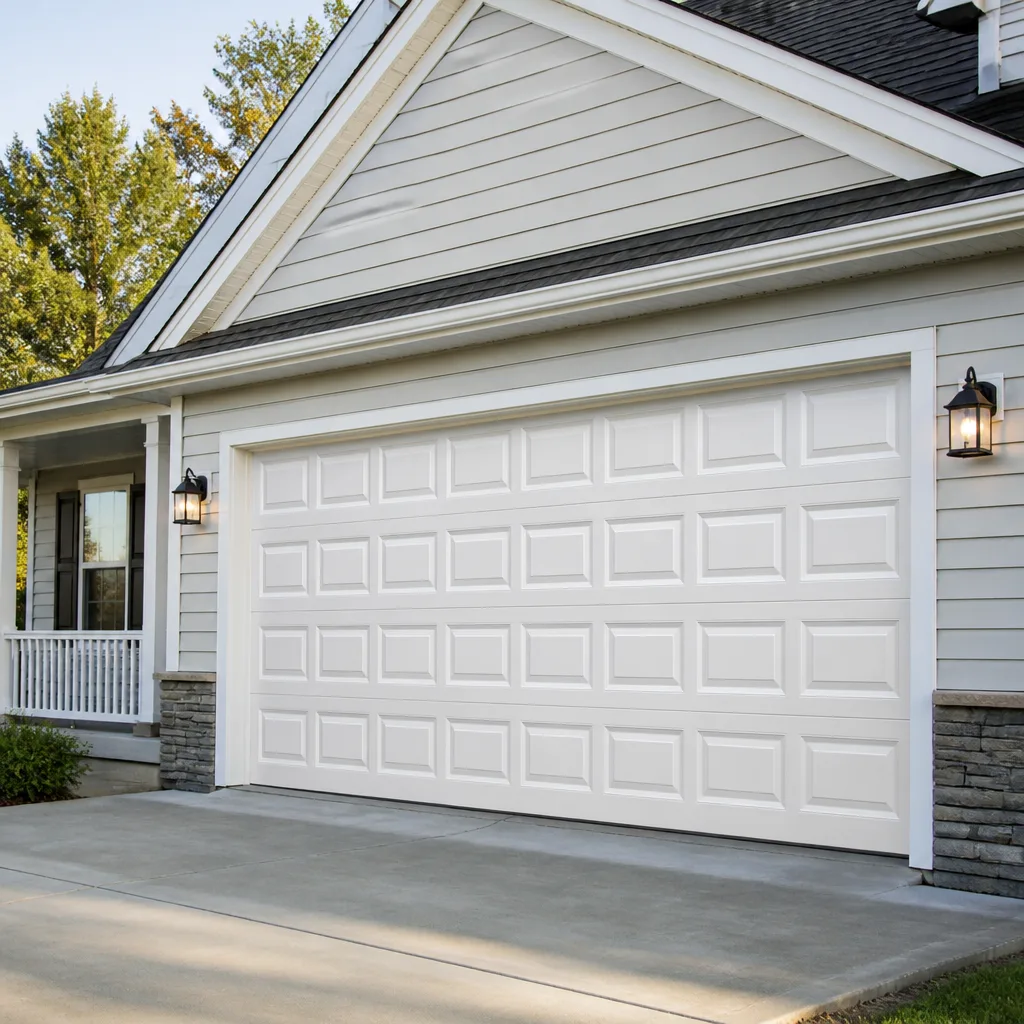 Raised-panel steel
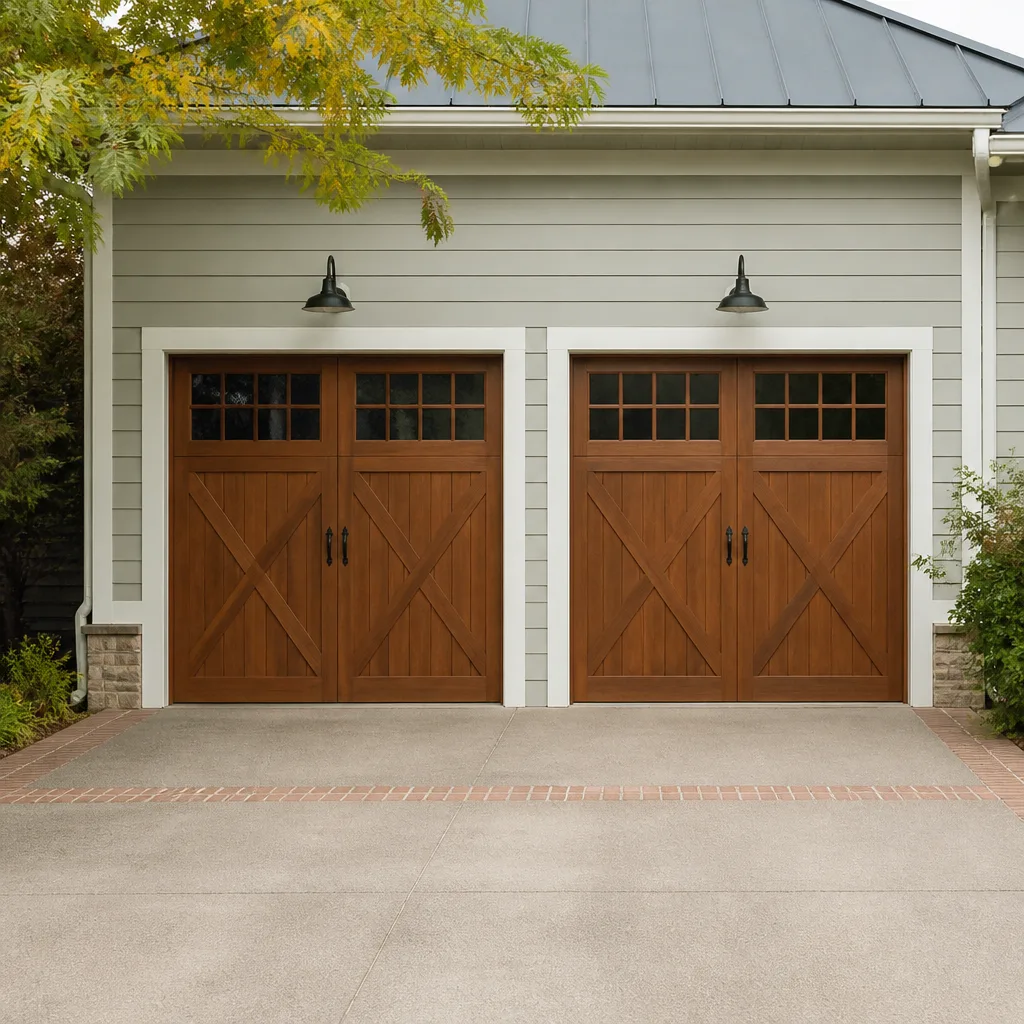 Carriage house
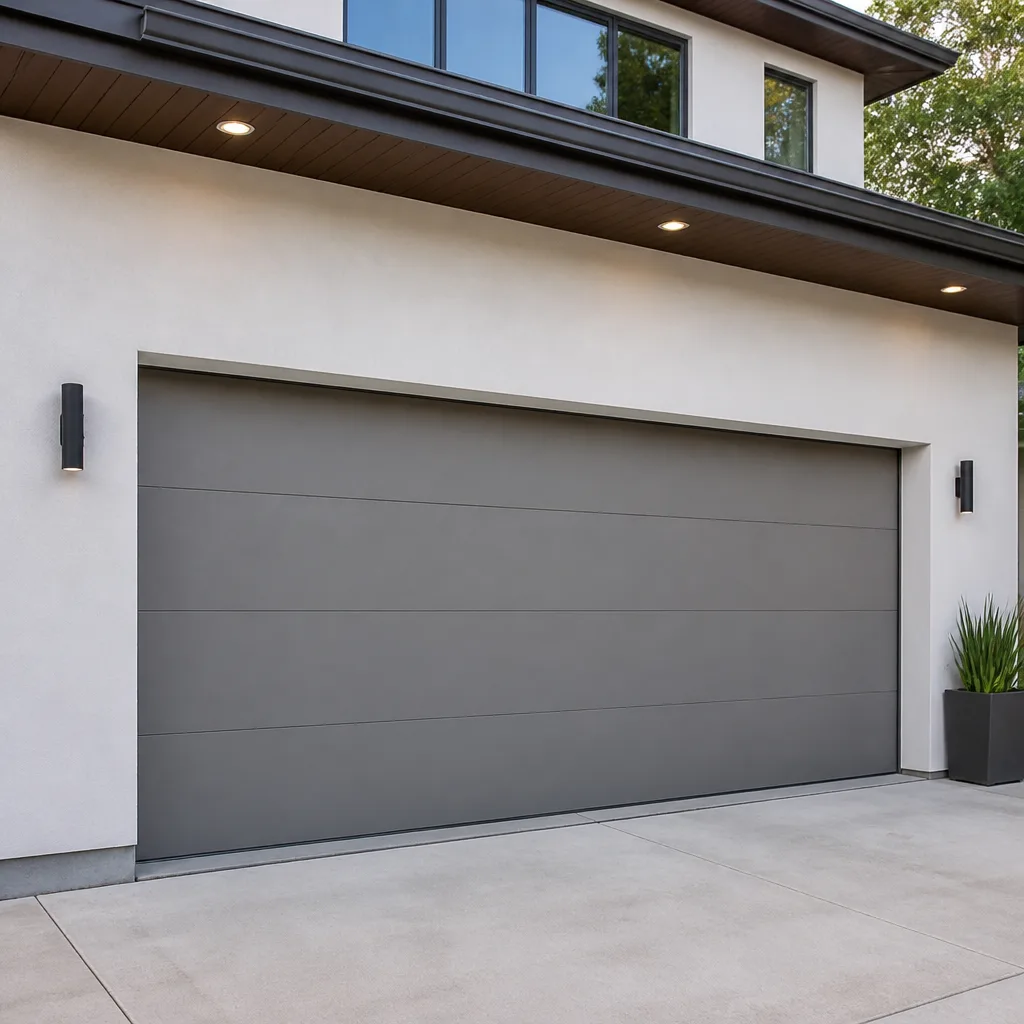 Modern flush
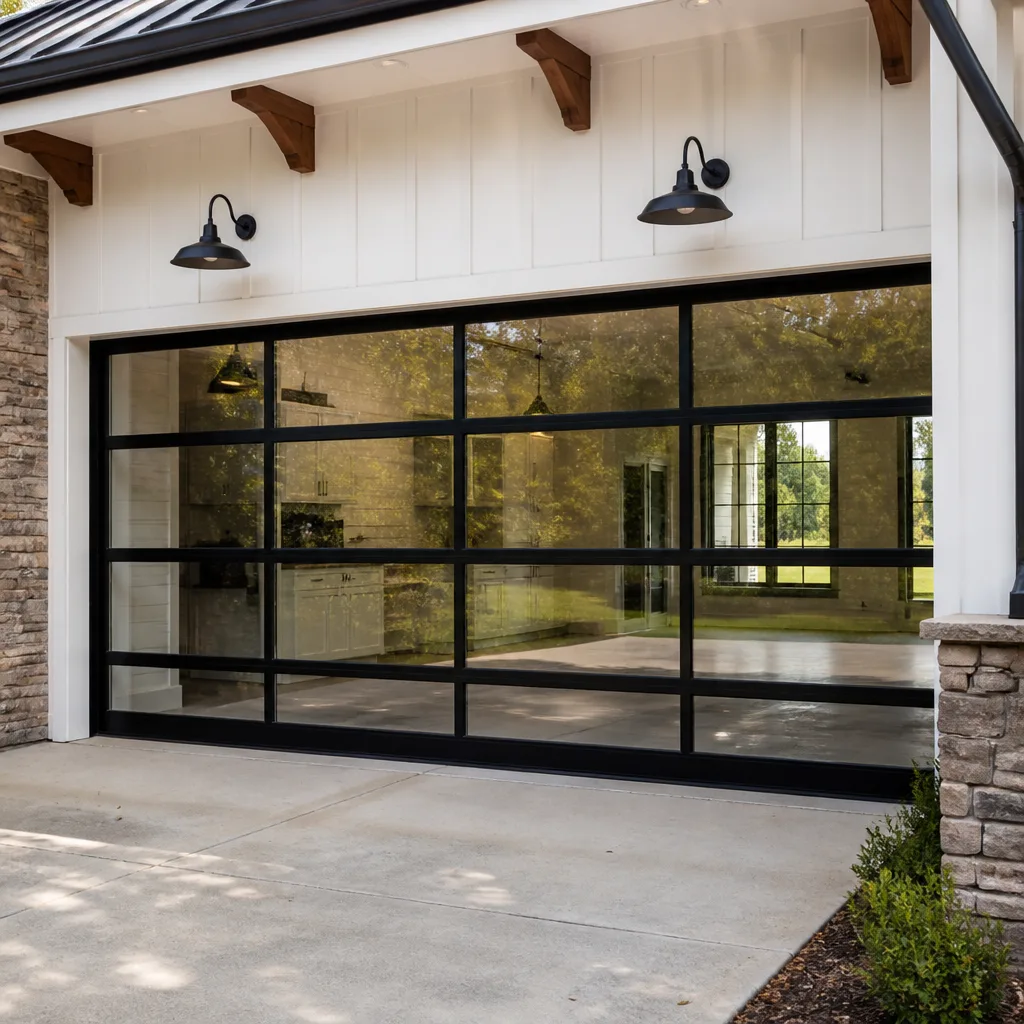 Full-view glass
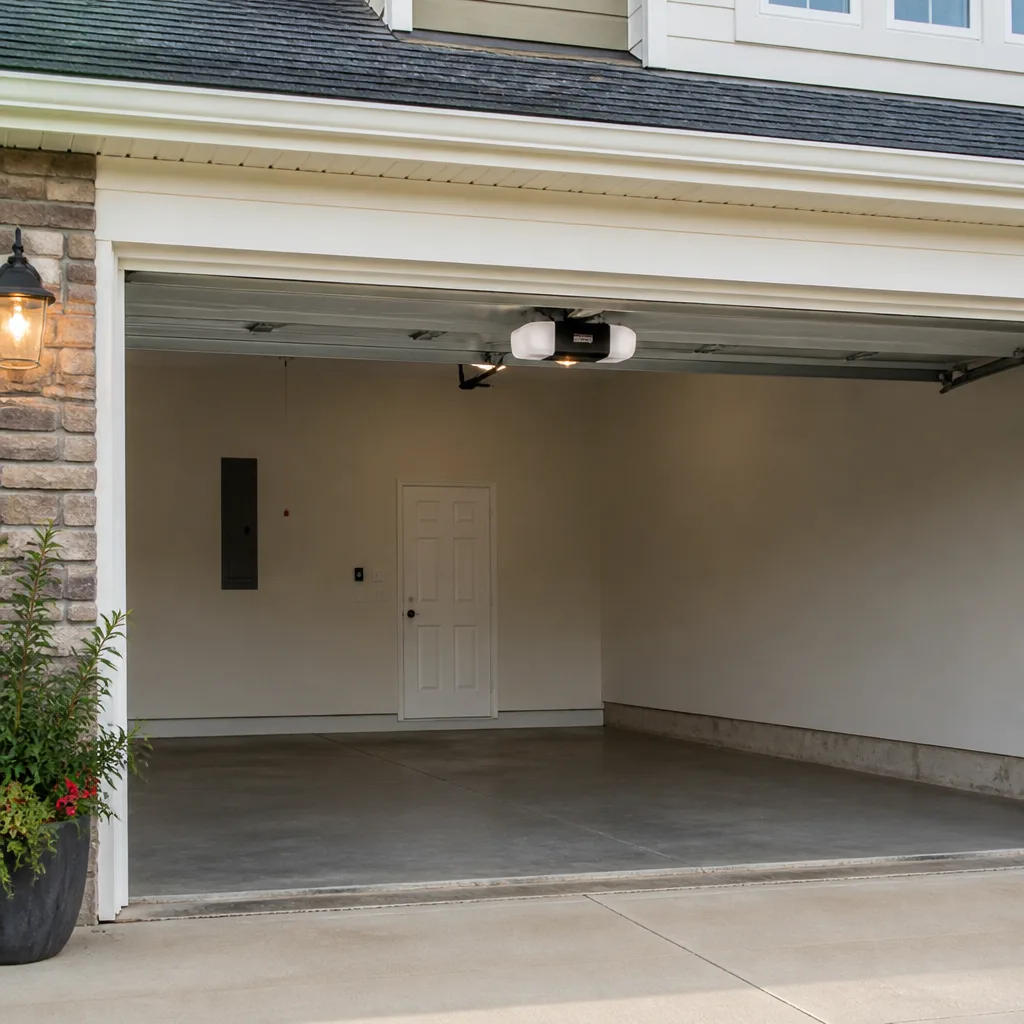 LiftMaster openers
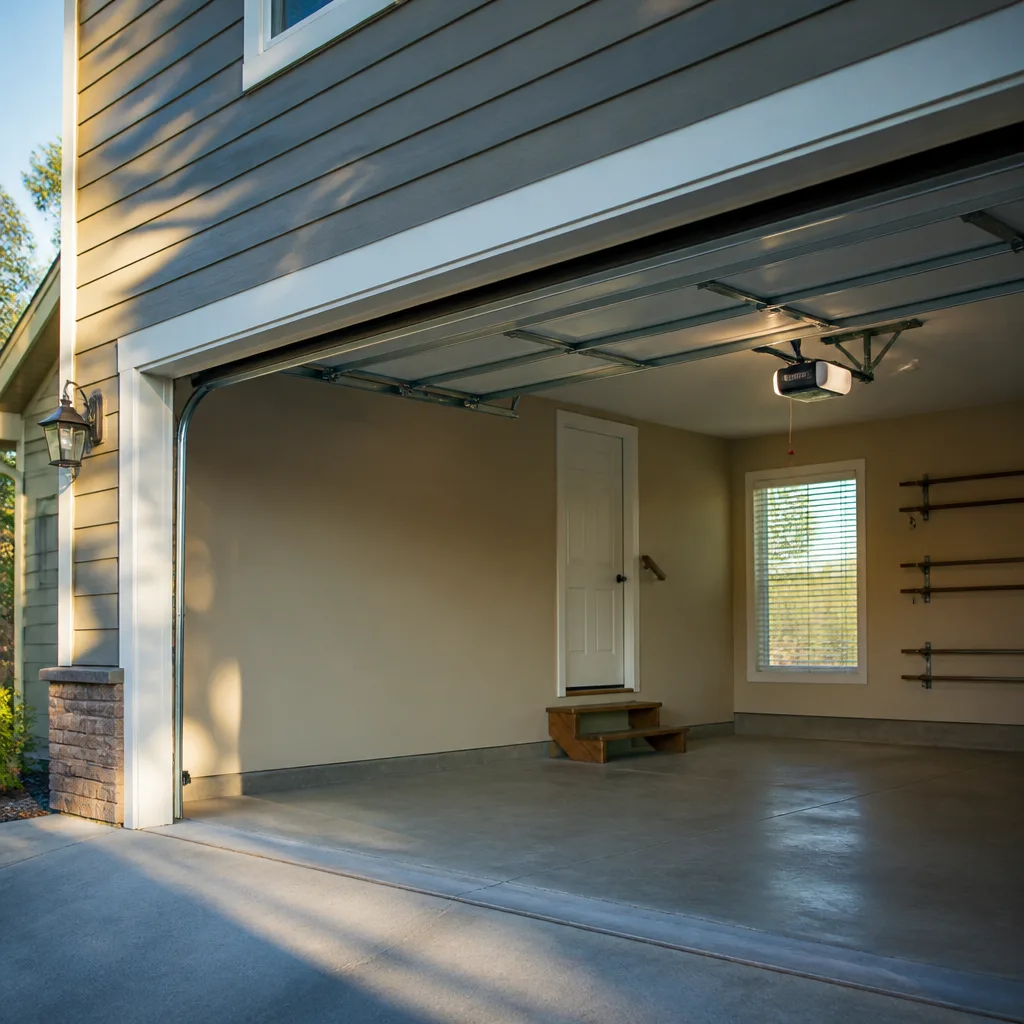 Chamberlain openers
Full 25-point door and opener safety check with every visit - springs, cables, rollers, tracks, and your LiftMaster or Chamberlain opener included
You get a price before we start. It does not change when the pro arrives.
Get your free estimateGarage Door Warning Signs: A Polaris Homeowner’s Reference Guide
Springs rarely fail out of nowhere. A torsion spring that eventually snaps usually telegraphs the failure through weeks of subtle changes – a new metallic ring at the end of each cycle, a door that lifts a little heavier, a gap at the floor that wasn’t there last month. Most homeowners don’t know what they’re looking at until the door stops moving entirely and the car is stuck inside. This guide is about those earlier signals. It’s the reference we wish every Polaris homeowner had before the emergency call, and it’s built to hand you a realistic 30 to 90 day window to schedule service on your terms rather than someone else’s.
Quick Answer
The earliest garage door warning signs in Polaris are a metallic stress sound at the start or end of travel, visible fraying on the cables, an opener that hesitates or runs longer than it used to, and a door that sits slightly uneven from side to side. Any one of these means the door needs a professional look within 30 to 90 days, before a repair turns into a replacement or a safety hazard.
Styles & brands we work with
- Raised-panel steel
- Carriage house
- Modern flush
- Full-view glass
- LiftMaster openers
- Chamberlain openers
Table of Contents
- The sound profile of a spring losing tension
- The 15-second cable check you should do every month
- Opener behavior changes and what they mean
- Why an uneven door is almost never a track problem
- The floor gap test and what it reveals
- How age and Ohio weather wear a door faster
- Common mistakes to avoid
- When to call a professional
The Sound Profile of a Spring Losing Tension
A healthy torsion spring makes a soft, even hum as the door travels. The sound you want to listen for is different: a short, ringing metallic stress note at the very start of the open cycle or the very end of the close. It’s the sound of a spring winding or unwinding with less stored energy than it should have, and in our experience it tends to appear about 60 days or less before a spring finally lets go. You won’t hear it every cycle. You’ll hear it most on cold mornings, when the metal is at its most brittle.
The distinction matters because most guide content describes spring failure only in end-stage terms – the loud bang, the door stuck half-open. The subtler sound is the decision point. It’s your invitation to book service while the door still works.
Here’s how to map what you’re hearing:
- A rhythmic squeak or scrape while the door moves – usually a roller, hinge, or track issue, not a spring. Worth a look but rarely urgent.
- A short metallic ring at the start or end of travel – a spring losing tension. Book a professional inspection within 30 days.
- A single loud bang followed by the door refusing to lift – the spring has failed. Stop using the door and call for a same-day repair.
- A low grinding tone that changes pitch as the door rises – a cable or drum problem. Treat it as urgent.
If what you’re hearing matches the second or fourth description above, that’s the moment to schedule a garage door repair rather than wait for the door to fail entirely.
The 15-Second Cable Check You Should Do Every Month
The lift cables – the steel braided lines that run from the bottom corners of the door up to the drums – can fray over months without any obvious operational symptom. Fraying usually appears first at the drum end or where the cable passes a roller bracket. A quick monthly visual is the single best way to catch a cable problem before it snaps.
Here’s the check, and it takes about 15 seconds per cable:
- With the door fully closed, stand to the side of the door – never in its path – and find the cable running vertically from the bottom bracket.
- Follow it with your eyes up to the drum. Look for frayed wire ends sticking out like a small brush, kinks, or a flattened section.
- Check the drum end where the cable winds. A single loose wrap is fine. A pile of wire that looks like it’s spilling off the drum is not.
- Repeat on the other side. Cables on a matched pair rarely fail at the same rate, so one side wearing faster is itself a signal.
A word of caution, and we mean this: never touch, pull, or attempt to adjust a cable yourself. Lift cables carry the full weight of the door and can cause serious injury. If you see fraying, note it, stop using the door if it looks severe, and have a trained technician assess it. The visual is something you can safely do. The repair is not.
Cables on Clopay and Amarr doors in central Ohio tend to show fray wear first at the drum end on the side that sees more cycles – usually the driver’s side, since that’s the door most homeowners use to come and go.
Opener Behavior Changes and What They Mean
Your opener is the most talkative part of the system. When it starts behaving differently – taking longer to complete a cycle, hesitating near the top of travel, or clicking without moving the door – it’s usually telling you something specific. Reading those signals is the difference between a same-visit fix and a replacement.
Here’s the mapping we use on service calls:
- Longer run time, door still moves – often a weakening spring forcing the opener to work harder. The opener is fine; the spring is the issue.
- Hesitation near the top of travel – usually a limit switch setting that has drifted, sometimes combined with a binding roller. Common on Genie and LiftMaster units once the hardware has a few years on it.
- Clicking without movement – the opener is receiving the signal but the motor isn’t engaging. Frequently a capacitor, gear, or logic board issue depending on the model. Worth a garage door opener repair visit before you replace the whole unit.
- Reversing before it reaches the floor – a safety sensor or force-limit setting problem. This one needs immediate attention, because a door that reverses unexpectedly is a safety risk.
- Remote works sometimes, not always – usually a battery, antenna, or interference issue. Rarely a motor problem.
If you have a Wi-Fi-enabled opener, the app often logs run times and fault codes that point straight at the issue. On older Craftsman and Genie belt-drive units, the diagnosis is a bit more hands-on, but the root causes map the same way.
Why an Uneven Door Is Almost Never a Track Problem
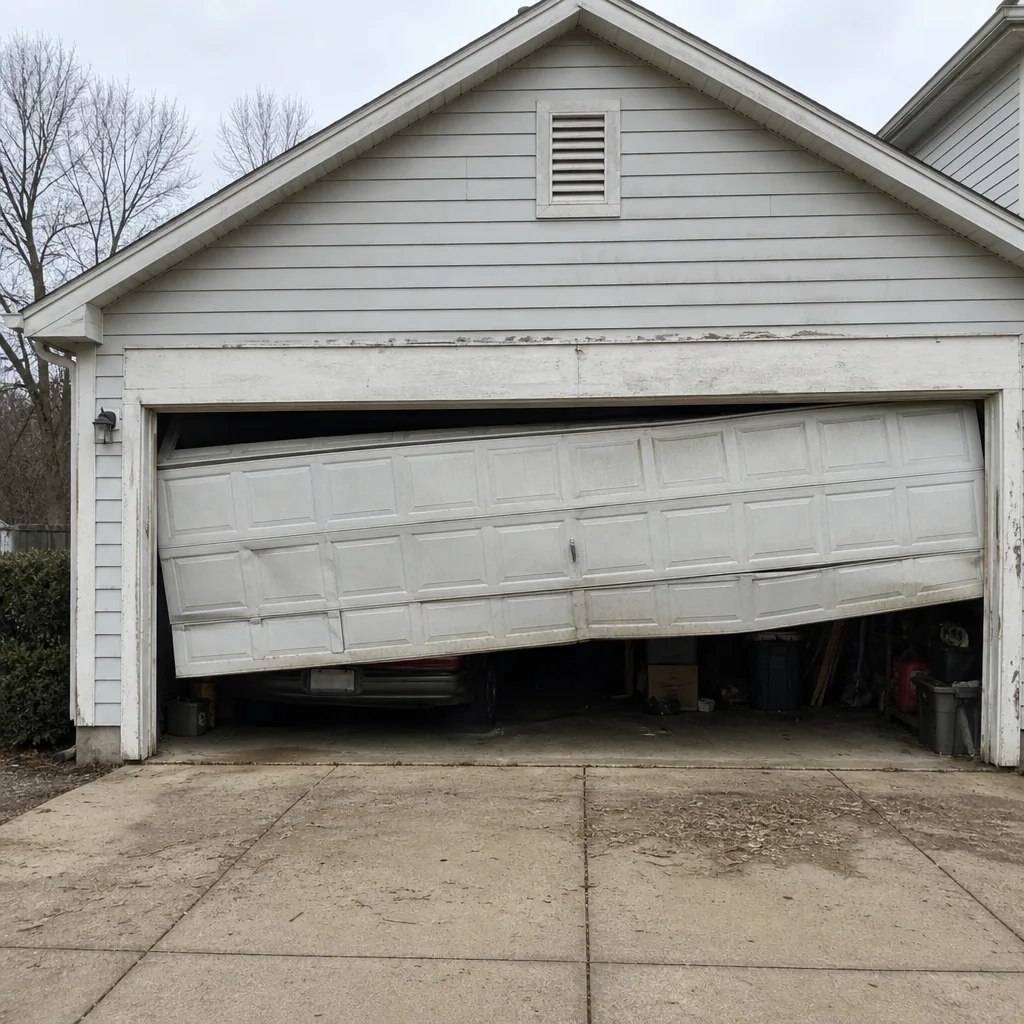
When a door sits lower on one side than the other, most homeowners assume the track has bent or gone out of alignment. In our experience, that’s rarely the cause. A visibly uneven door usually points to one of two things: a torsion spring that has lost tension on one side of a two-spring setup, or a stretched or slipping lift cable on one side. The track may look off because the door is pulling unevenly through it, but the track is the symptom, not the disease.
Here’s the sequence to look for:
- Close the door completely and stand back. Note whether the gap at the floor is wider on one side than the other.
- Open the door and watch the leading edge. If one side lags the other by more than a small fraction, you have a tension imbalance.
- Listen for a heavier-sounding hum on one side during travel. That side is doing more work than it should.
- If the door has two torsion springs and one is visibly more compressed than the other when the door is closed, that’s the imbalance.
Adjusting torsion springs safely requires specific tooling – winding bars, winding techniques, and the knowledge to read the tension of the spring you’re working on. This is not a job for a homeowner. A spring that lets go while being adjusted can cause serious injury. In Polaris, we treat spring work as a named specialty for exactly this reason, and the Garage Door Repair Polaris team handles it as routine work rather than an edge case.
The Floor Gap Test and What It Reveals
The floor gap test is the simplest diagnostic on this whole list, and it’s the one that most often catches a problem before it becomes expensive. You’ll need a flashlight and a cool, dark evening – the light pouring through the gap under a closed door is the tell.
Here’s how to run it:
- Close the door completely and stand inside the garage. Turn off the interior lights.
- Shine the flashlight along the floor line from one side of the door to the other, aiming it slightly forward so it hits the underside of the door.
- Watch for a consistent thin line of light under the door. A smooth, even line is fine.
- Look for a brighter pool of light at one end, a wider gap on one side, or a section where daylight pokes through the middle of the seal.
- Repeat with the door only partly closed – bring it down to about a foot open and look up at the header gap where the door meets the wall above.
What uneven gaps usually mean:
- Wider gap at one side – likely one of the two issues above, a tension imbalance or a stretched cable.
- Gap across the middle of the seal – a worn bottom seal that needs replacing. Simple fix, and worth doing before winter.
- Light around the top corners – usually a header gap that opens as the garage frame settles. Common in newer Polaris construction where the home is still settling into its foundation over the first several years.
- A consistent gap on both sides – usually the door is stopping a fraction high on its travel. A small opener adjustment.
A door that seals unevenly lets cold Ohio air in during winter and lets it out during summer, adding to your energy bill. It also lets moisture and pests in, which over time accelerates wear on the hardware.
How Age and Ohio Weather Wear a Door Faster
A garage door in central Ohio sees a genuine temperature swing between seasons. Doors that sit through a cold, dry winter and then a warm, humid summer cycle expand and contract twice a year, and every component on the door – rollers, hinges, cables, the spring itself – sees that cycle too. The result is that Polaris doors tend to show wear on a slightly faster clock than doors in a mild climate, especially in the spring when temperatures swing widely week to week.
A few things to watch for specifically in Polaris:
- Stiff hardware in late fall and early spring – rollers and hinges that bind in cold weather and free up as it warms. Not urgent, but a sign the door wants lubrication and possibly new rollers.
- Rust on hinges and the bottom bracket – Ohio salt on the roads plus moisture in a heated garage is enough to get rust started. It doesn’t mean the door is failing, but it does accelerate wear on the pivot points.
- Spring tension that sounds different in January than in July – the metallic ring is easiest to hear on cold mornings for a reason. Springs are more brittle at lower temperatures.
- Wooden or wood-composite doors that swell slightly in humid stretches – the door binds against the frame. Steel doors from Clopay and Amarr are largely immune to this, but they do expand and contract enough that the seal needs occasional attention.
If your door is a Wayne Dalton model that’s been on the house since the home was built, it’s worth having the rollers and the spring inspected at intervals. We know the hardware on these brands well enough to spot the wear patterns that matter.
Common Mistakes to Avoid
We see the same handful of missteps on service calls in Polaris. Each one usually adds cost or delays a repair that could have been scheduled on your terms.
- Using the door after hearing a loud bang. If the spring has snapped, the opener alone may try to lift a door it cannot safely raise, and the door can come down hard or twist off its track. Stop using the door and call for a repair rather than continue to cycle it. Call us at (833) 842-9208 for a same-day response.
- Greasing the tracks. Rollers want lubrication. Tracks do not, because the rollers need enough friction to stay seated in the track. Greasing the tracks can cause the door to wander sideways and come out of the rails. Wipe the tracks clean and oil the hinges and rollers only.
- Tightening the spring yourself with a pair of vise grips. This is the most dangerous mistake on the list. Garage door springs are wound under high tension and are unforgiving of improvised tooling. A trained technician with the right winding bars is the only safe operator.
- Ignoring a small gap at the floor through one winter. A worn seal lets cold air in, adds moisture to the interior hardware, and starts rust on the operator rails. Seals are inexpensive to replace and stop the wear before it spreads.
- Replacing the whole opener when a simple part has failed. A click-without-movement symptom on a Genie or Craftman unit is often a capacitor or a logic board rather than a dead motor. Have the unit diagnosed before you spend money on a whole new install.
- Patching a frayed cable with a hardware store clamp. A cable carries the full weight of a door. Clamp-style “repairs” have caused serious injuries when the cable has failed again under tension. Replace the cable, don’t patch it.
- Waiting until the door is stuck open in the cold. Once the door stops moving, you’re scheduling on the company’s calendar rather than your own. The whole point of reading warning signs is booking the repair while the door still works.
When to Call a Professional
Call a professional the moment any of these appears: a metallic stress sound at the start or end of travel, visible cable fraying, an opener that reverses unexpectedly near the floor, a door that sits visibly uneven from side to side, or a door that has stopped opening and closed itself hard. Those are the signals that a repair today prevents an emergency tomorrow. Tornado season and the first cold snap of the year both drive more emergency calls in Polaris than any other stretch, so scheduling ahead in those weeks is worth it.
Garage Door Repair Polaris offers free estimates in Polaris – call (833) 842-9208. The local pro is licensed and insured as their state requires, and the price is quoted and agreed before any work starts. You’ll know exactly what’s wrong, exactly what it costs to fix, and exactly when it will be done. Our technicians have up to 11 years of experience, and they work exclusively on garage doors.
See the difference
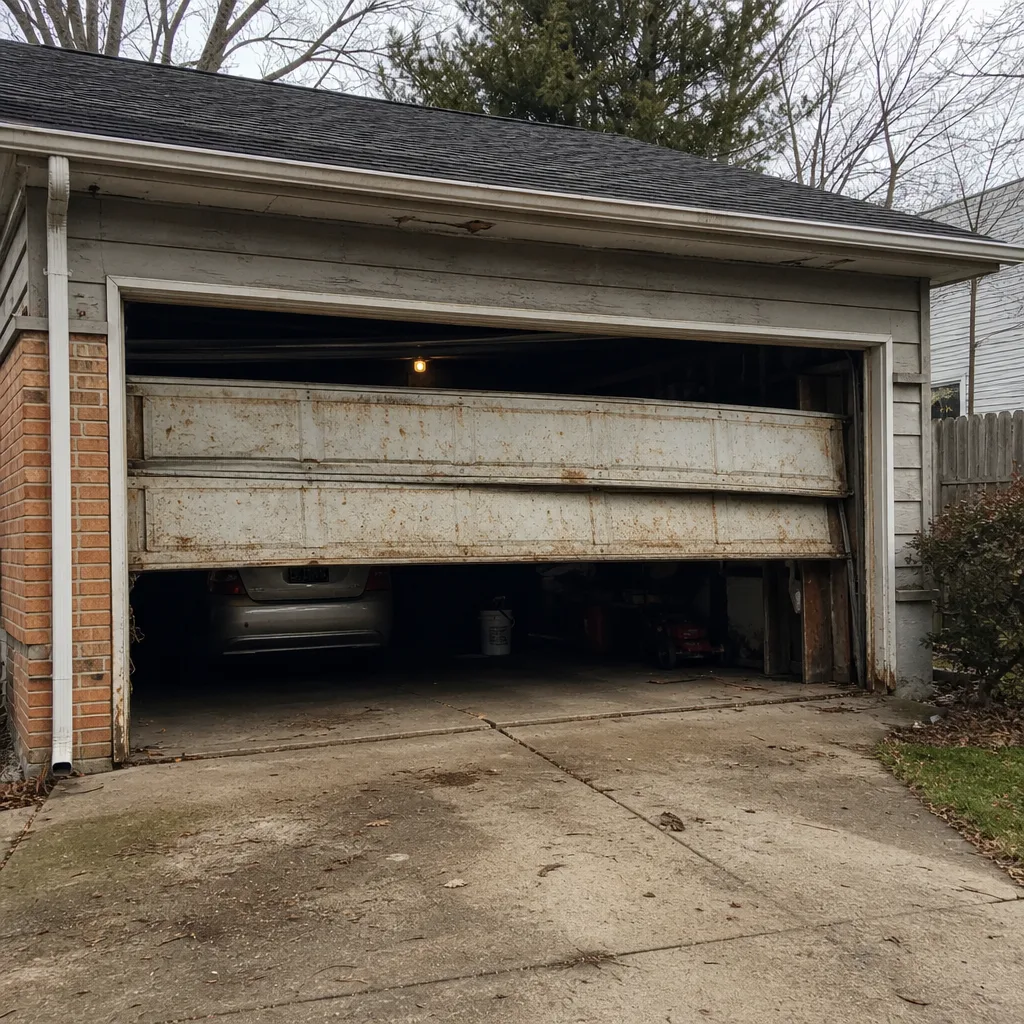 Before
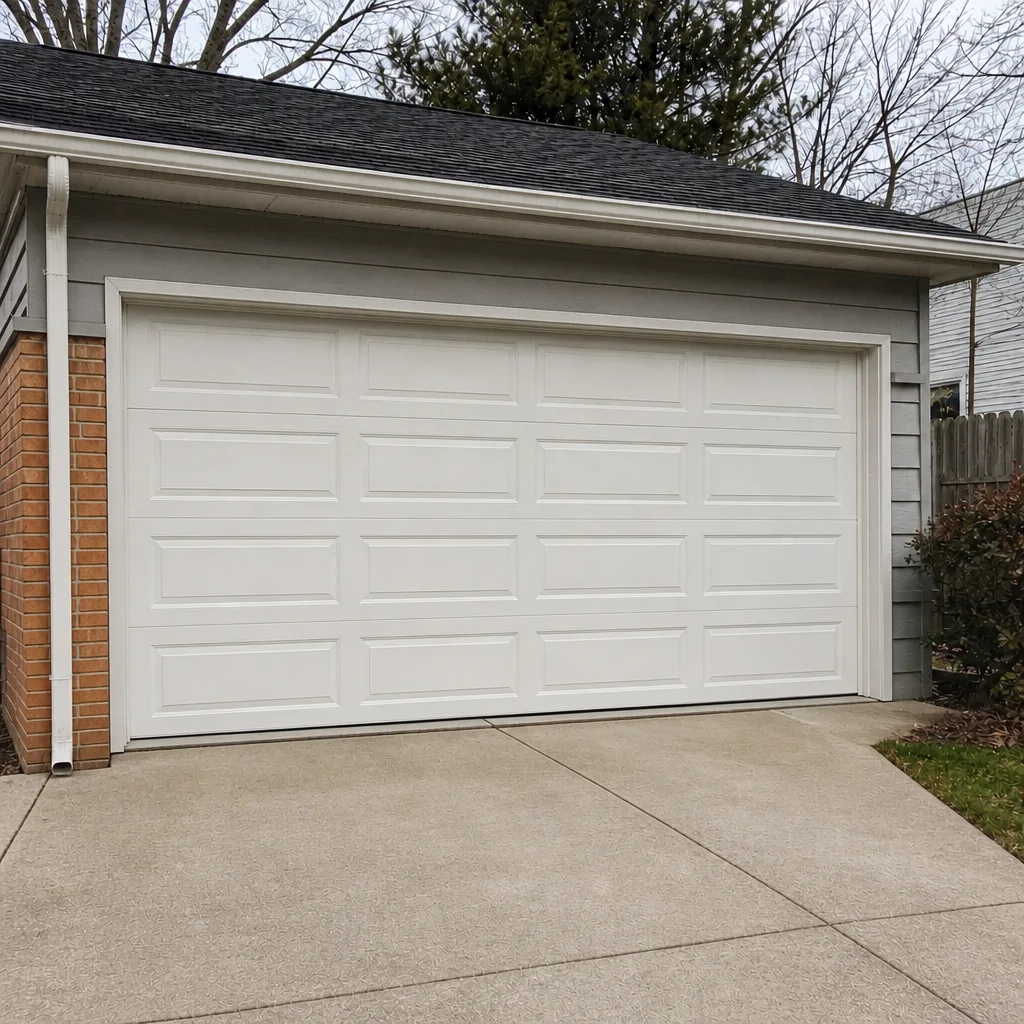 After
 Before
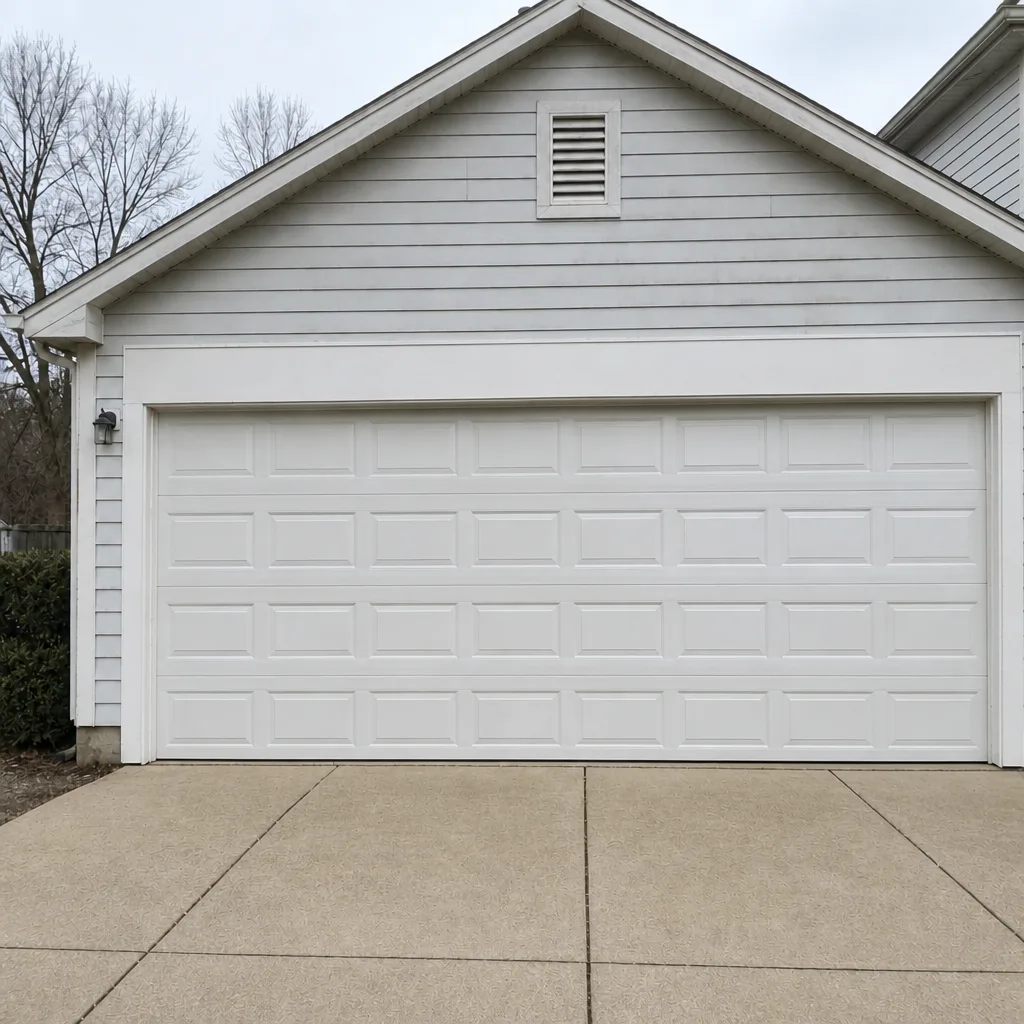 After
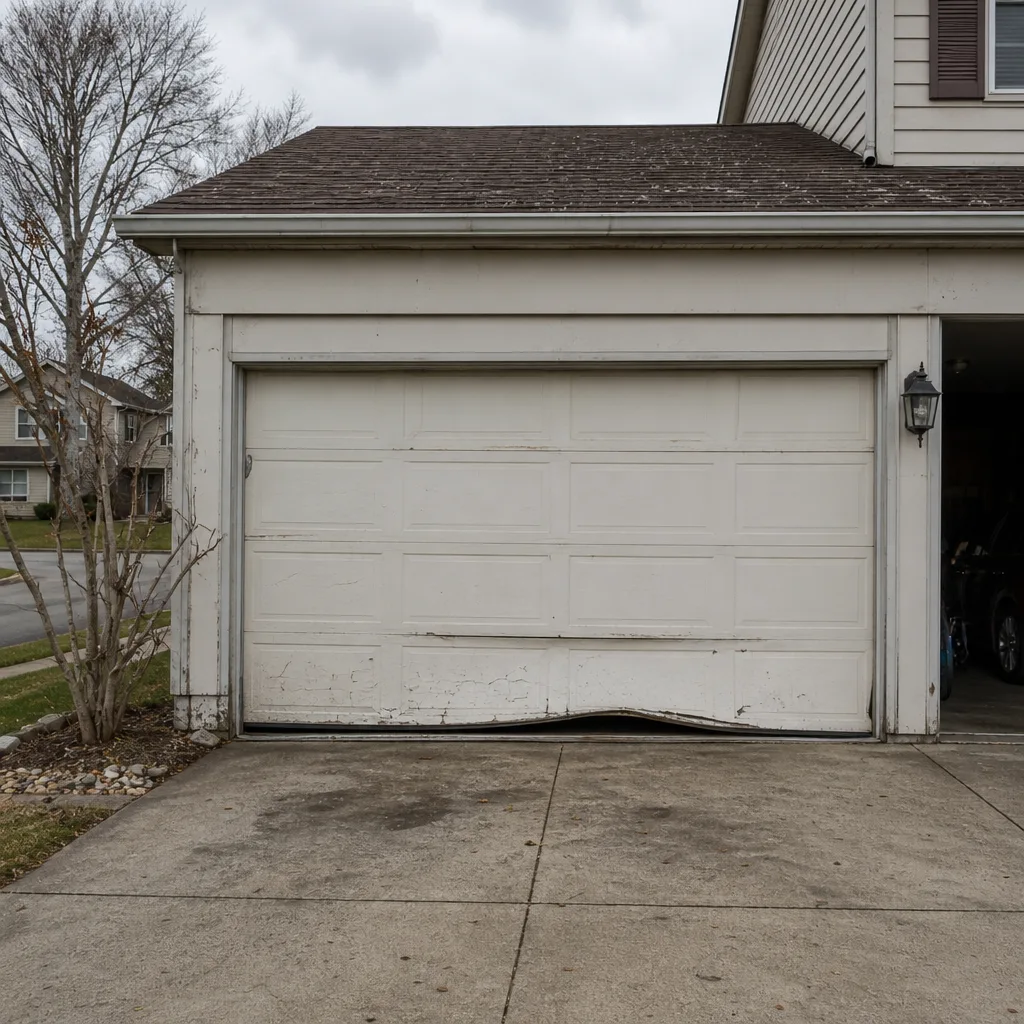 Before
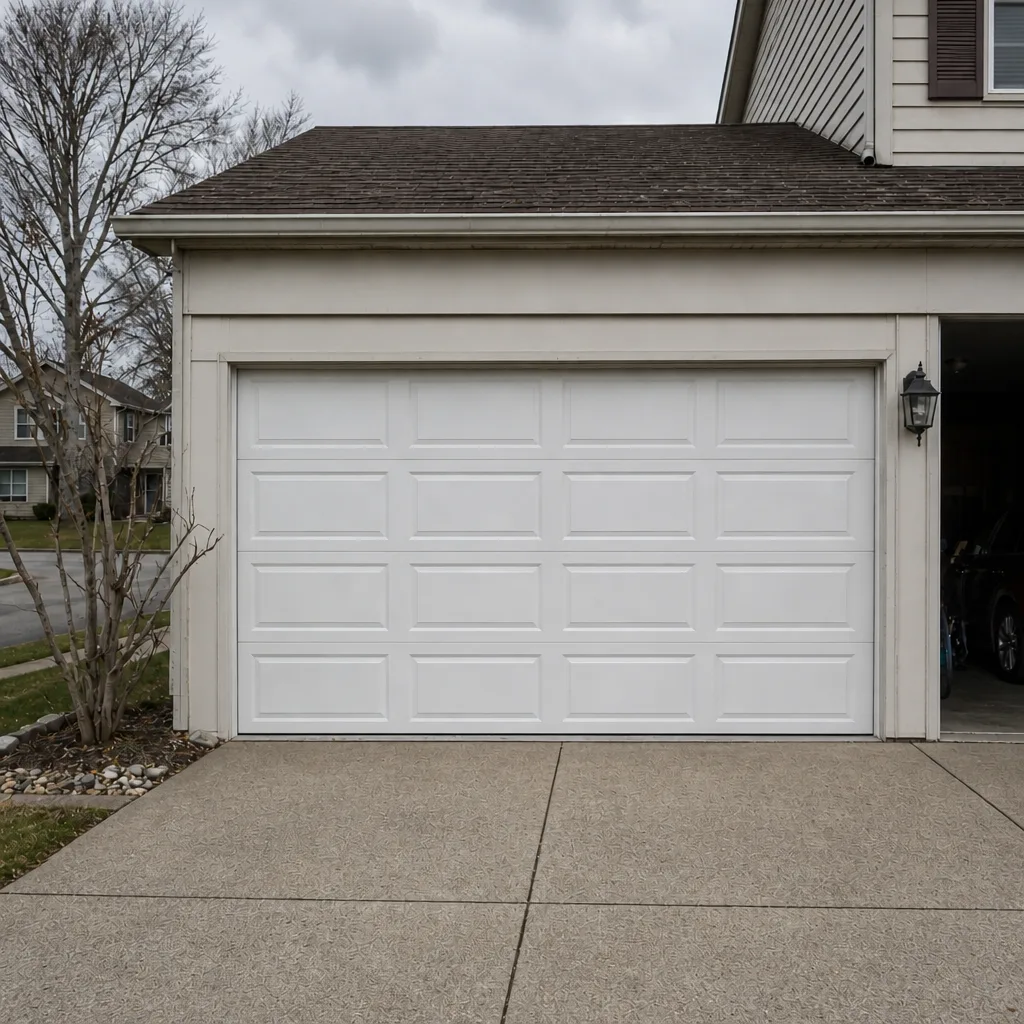 After
Frequently Asked Questions
Spring repair in Polaris typically costs about $180 to $340 for one spring, and a matched pair is usually replaced together at roughly twice that. The written estimate confirms the final price, and the quote is agreed before any work starts. Call (833) 842-9208 for an exact quote – estimates are free.
Yes for repair calls – we offer same-day service and fast dispatch from 7am to 7pm on garage door repairs in Polaris. If the door has stopped moving or a spring has snapped, call (833) 842-9208 and we’ll get a technician out to you as quickly as possible.
No, the written quote is the number you pay. We inspect the door, explain what’s wrong and what it will take to fix, and you approve the price before any work starts. There’s no surprise invoice at the end. Call (833) 842-9208 whenever you’re ready – the estimate is free.
Yes – the local pro we connect you with is licensed and insured as Ohio requires. Our technicians have up to 11 years of experience and work exclusively on garage door hardware, including the major brands (LiftMaster, Chamberlain, Genie, Clopay, Amarr, Wayne Dalton, Craftsman, and Raynor). Call (833) 842-9208 to book a visit.
Most torsion springs last somewhere in the range of 7 to 10 years of normal daily use, though the cold winters in central Ohio can shorten that. If your door is in its later years and you’ve started hearing a metallic ring at the start of travel, it’s worth having the spring inspected now rather than waiting.
Yes – almost always. In our experience, an uneven door is usually a tension or cable issue rather than a track or door problem. A tension adjustment or cable replacement is typically all that’s required. Call (833) 842-9208 for a free estimate on what your specific door needs.
The Bottom Line
Garage door failures leave a trail. The metallic ring that starts 60 days before a spring snaps, the frayed cable that’s been visible for weeks, the opener that hesitates a fraction at the top of travel – all of them are warnings, and all of them are catchable with a quick monthly visual and a flashlight test on a cool evening. For a Polaris homeowner, the value of knowing these signs is the 30 to 90 day window they open up to book service on your own schedule. Book a garage door installation or a repair before that window closes, and the emergency call never has to happen.
Call (833) 842-9208 for a free estimate on any garage door repair or replacement in Polaris.
Written by the team at Garage Door Repair Polaris.